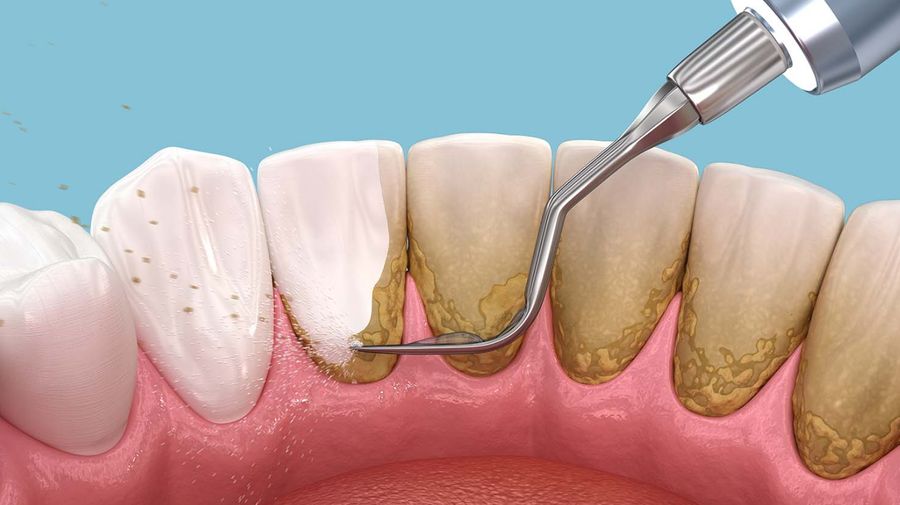
Tartar removal is a vital aspect of modern preventive dentistry. As an expert in dental tourism and healthy living, this in-depth review explores everything UK and international patients need to know about tartar removal: how and why it’s done, long-term oral health benefits, procedure details, misconceptions, risks, and guidance for those seeking high-quality dental care abroad.
What Is Tartar and Why Does It Matter?
Tartar (dental calculus) is a hard, yellow or brown deposit that forms on teeth when dental plaque is not completely removed by regular brushing and flossing. Unlike soft plaque, tartar is calcified and can only be eliminated by a dentist or dental hygienist through professional cleaning tools.
-
Tartar buildup leads to gum inflammation, periodontitis, and tooth decay, while also harboring odor-causing bacteria.
-
It creates a rough surface that attracts and holds more plaque, amplifying oral health risks and potentially resulting in tooth loss if not removed regularly.
The Tartar Removal Procedure: Step-by-Step
-
Initial Examination
The dentist assesses oral health, identifies areas of tartar, and checks for bleeding gums, gum recession, cavities, or other concerns. -
Scaling
Dental professionals use ultrasonic devices and hand instruments to break up and remove tartar deposits above and below the gumline.-
Ultrasonic scalers vibrate gently and flush away debris with water.
-
Manual scaling tools target stubborn or tight spots.
-
-
Polishing & Flossing
After scaling, teeth are polished with a gritty paste, followed by professional flossing to smooth the enamel and remove any loose deposits. -
Post-Procedure Rinse & Education
Patients may be given antimicrobial rinse and instructions on optimal oral hygiene at home.
Duration: A typical cleaning session lasts 20–45 minutes and is generally painless. Deep cleaning for patients with extensive tartar or gum disease may require more time or multiple visits.
Health and Aesthetic Benefits
-
Healthier Gums: Tartar removal halts and reverses gum inflammation (gingivitis), helps prevent gum recession, and significantly decreases risk of periodontal disease.
-
Lower Risk of Decay: By removing harsh bacterial colonies, the risk of cavities and dental root damage is drastically reduced.
-
Fresher Breath: Eliminating odor-causing bacteria leads to noticeable improvement in breath freshness.
-
Brighter, Cleaner Teeth: Stain-laden tartar is polished away, revealing natural tooth color and boosting self-confidence.
-
Overall Health: Reduced oral bacterial load has been linked in studies to lower risk of heart disease, diabetes, and other systemic complications.
Risks & Myths
Safe and Routine: Professional tartar removal, also called scaling, is one of the safest dental procedures when done by trained staff.
Minor Side Effects:
-
Temporary tooth sensitivity, especially to cold or hot foods, is common but usually fades quickly.
-
Mild gum bleeding may occur, especially if gums were already inflamed.
-
Rarely, some patients notice small gaps between teeth once tartar is gone. This is not dangerous; the tartar may have hidden natural gaps, which are now revealed for easier cleaning.
At-Home Myths:
-
DIY removal with sharp objects can damage enamel or injure gums. Only dental professionals should perform tartar cleaning.
How Often Should Tartar Be Removed?
-
For most people, tartar removal (scaling) is recommended every 6 months, aligning with regular dental check-ups.
-
Patients who smoke, have diabetes, a history of gum disease, or tend to accumulate tartar quickly may need more frequent visits (every 3–4 months).
Who Benefits Most from Tartar Removal?
-
Adults and teenagers prone to plaque buildup
-
Smokers and e-cigarette users
-
Individuals with braces, dentures, or dental restorations
-
Patients with past or active gum disease
-
People with a sweet diet or dry mouth
Why Dental Tourists Seek Tartar Removal Abroad
Dental tourism offers a unique opportunity for patients to combine travel with cost-effective, high-quality oral care:
-
Affordability: Tartar removal and full dental hygiene treatments abroad can cost 40–70% less than in the UK or US.
-
Expertise: Many clinics in Hungary, Turkey, Poland, and Spain have internationally accredited dental professionals and use state-of-the-art cleaning devices.
-
Comprehensive Services: International clinics often bundle tartar removal with full oral examination, X-rays, preventive advice, and minor repairs, ensuring optimal results.
-
Patient Experience: Many clinics cater specifically to foreign patients with multilingual staff, transparent pricing, and even same-day appointments.
Tartar Removal in Dental Tourism: What to Expect
-
Initial Consultation: Review of dental and medical history; digital X-rays may be included.
-
Professional Cleaning: Using ultrasonic and hand instrumentation to remove all deposits.
-
Personalized Recommendations: Guidance on at-home care and tailored schedule for future cleanings.
-
Add-On Treatments: In some clinics, air polishing, laser bacterial reduction, or whitening are available at discounted rates for tourists.
Post-Procedure Care & Tips
-
Maintain twice-daily brushing and daily flossing.
-
Use fluoride and tartar-control toothpaste.
-
Limit sugary snacks, acidic drinks, and smoking.
-
Schedule professional cleaning at least twice per year.
-
Follow any special guidance from your dentist regarding sensitivity or gum recovery.
These steps prevent recurrence and protect the investment you’ve made in your dental health.
Common Misconceptions About Tartar Removal
-
Myth: Scaling damages enamel.
Fact: Professional tools are designed to remove only harmful deposits; enamel remains intact. -
Myth: Only people with poor hygiene get tartar.
Fact: Even with meticulous home care, some tartar formation is inevitable due to minerals in saliva. -
Myth: Bleeding gums after cleaning is a sign of harm.
Fact: Bleeding usually means the gums are healing after tartar is removed. Persistent bleeding should be reported to your dentist.
The Bottom Line
Tartar removal is far more than a cosmetic treatment. Professionally performed, it is one of the most important strategies for preventing gum disease, tooth loss, and systemic health problems. Especially in dental tourism destinations, patients benefit from expert, affordable care paired with a welcoming experience and long-term guidance.
Whether for a routine hygiene visit or as the foundation for smile makeover and implant work, tartar removal is essential to lasting oral health and self-confidence.
SEO Meta Data for Your Healthy Tips Section
Meta Title:
Meta Description:
Meta Keywords:
tartar removal, dental calculus removal, dental cleaning, scaling, dental tourism hygiene, tartar removal benefits, gum disease prevention, professional teeth cleaning, dental travel, healthy smile, oral health tips