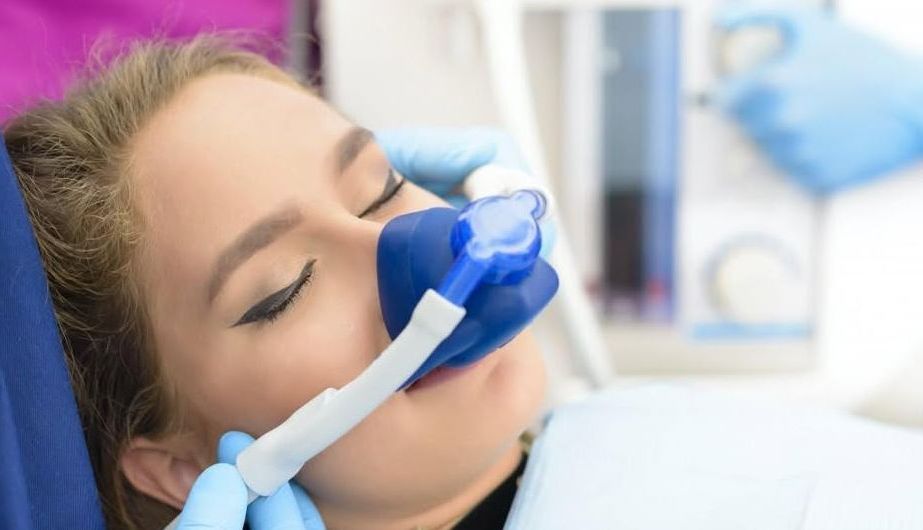
Conscious sedation offers a way to receive dental treatment in a deeply relaxed, anxiety-free state while still remaining awake and responsive. For many nervous patients in the UK and Ireland, it can be the difference between avoiding the dentist altogether and finally completing essential treatment in comfort.
What conscious sedation actually is
Conscious sedation uses carefully controlled medications to create a state of calm, reduced awareness and comfort without putting the patient fully to sleep. You are still able to respond to verbal commands, breathe on your own and maintain protective reflexes, which clearly distinguishes this approach from general anaesthesia.
In practical terms, most patients describe the experience as feeling pleasantly detached from the procedure, as if time is passing more quickly and sounds and sensations are muted. Many remember very little of the treatment afterwards, which can be particularly helpful for people with a long history of dental fear or traumatic dental experiences.
How sedation is given
Dentists in the UK and Ireland mainly use two forms of conscious sedation for adults: inhalation sedation with nitrous oxide and intravenous (IV) sedation with drugs such as midazolam. Inhalation sedation is delivered through a small nosepiece and produces a light, controllable level of relaxation, while IV sedation is administered through a vein and usually creates a deeper, dreamlike state.
Before any sedative is given, a full medical history, dental examination and risk assessment are required to check that the patient is suitable for sedation in a dental setting. During the procedure, trained staff continuously monitor vital signs such as oxygen levels, heart rate and blood pressure using appropriate equipment in line with national standards.
Who benefits most
Conscious sedation is particularly valuable for people whose anxiety or medical needs make routine dental visits difficult. This includes patients with strong dental phobia, an overactive gag reflex, difficulty sitting still, learning difficulties or medical conditions that make prolonged stress unsafe.
It is also a useful option when extensive or complex treatment is required, such as multiple extractions, implant placement, or full-mouth restorative work, because it allows the clinician to complete more dentistry in fewer, longer appointments. For some patients who have avoided the dentist for years, this can accelerate the journey from a painful, functionally compromised mouth to stable, comfortable oral health.
Key benefits for nervous patients
The most obvious advantage of conscious sedation is significant reduction of anxiety and fear, which are among the most common reasons adults delay or avoid dental care. By damping down the body’s stress response, sedation helps patients tolerate sounds, sights and sensations that would otherwise feel overwhelming.
A second major benefit is improved comfort: although local anaesthetic still does the work of numbing the teeth and gums, sedation reduces awareness of pressure, vibration and time, making lengthy procedures feel shorter and more manageable. There is often an amnesic effect, especially with IV sedation, meaning the patient remembers little of the procedure, which can help break the cycle of anticipatory fear before future visits.
Clinical advantages dentists see
From a clinical perspective, a relaxed patient is easier to treat safely and efficiently. When gagging, flinching or sudden movements are reduced, the dentist can work with better precision, which supports high-quality outcomes in areas such as implant placement, endodontics and complex restorative care.
Sedation also allows longer, more comprehensive appointments, which can reduce the total number of visits required to complete a treatment plan. This can be a practical advantage for patients who travel a distance for care, have demanding work schedules, or experience significant fatigue from repeated appointments.
Safety standards in the UK and Ireland
In the UK, conscious sedation is governed by national standards such as those produced by the Intercollegiate Advisory Committee for Sedation in Dentistry (IACSD) and supported by guidance from the NHS and professional bodies. These documents set out requirements for training, team roles, equipment, patient selection, consent and monitoring to ensure that sedation is provided safely in dental practices and clinics.
In Ireland, the Dental Council’s Code of Practice on conscious sedation similarly defines how sedation may be used, which drugs and techniques are acceptable, and which patients are appropriate candidates in general practice. Both jurisdictions emphasise that only suitably trained clinicians with appropriate facilities should provide sedation and that written, informed consent is mandatory when sedation is involved.
Possible risks and side effects
Although conscious sedation has a strong safety record when delivered by properly trained teams, it is not completely free of risk. Potential complications include over-sedation with reduced breathing or cardiovascular depression, allergic reactions to drugs, altered blood pressure or heart rhythm, and, rarely, serious medical events.
More common short-term side effects are usually mild and self-limiting, such as drowsiness, headache, nausea, temporary unsteadiness or a dry mouth. For this reason, patients are typically advised not to drive, operate machinery, drink alcohol or make important decisions for the rest of the day after IV sedation, and to attend with an adult escort who can accompany them home.
Patient selection and pre-assessment
Careful assessment is central to safe sedation. The clinician will evaluate general health, including heart and lung function, medications, allergies, previous anaesthetic or sedation experiences and any history of sleep apnoea or other relevant conditions.
Most guidelines advise that only relatively healthy patients, typically classified as ASA I or II (fit or with mild systemic disease), should receive IV sedation in general practice, with more complex cases managed in hospital or specialist settings. In some systems, IV sedation is not recommended for children, particularly under the age of 10, because of increased risk and the need for specialised paediatric services.
What to expect on the day
On the day of treatment, patients are usually asked to follow specific pre-sedation instructions, which may include fasting for a set period and avoiding certain medications or alcohol. On arrival, the team will re-check medical history, confirm consent and record baseline vital signs before any sedative is given.
As the sedative takes effect, patients typically feel their anxiety drift away, with a sense of warmth and heaviness in the arms and legs. They remain able to respond to questions and open their mouth when asked, but often feel indifferent to the procedure itself, and afterwards may recall little more than arriving and leaving the surgery.
Recovery and aftercare
Recovery from inhalation sedation is relatively quick, with most patients feeling back to normal within minutes once the gas is stopped. With IV sedation, drowsiness and reduced coordination can persist for several hours, so more careful supervision is needed and the rest of the day should be kept free of work or important activities.
Practices provide written post-sedation instructions covering eating and drinking, pain relief, oral hygiene around treated areas and warning signs that should prompt contact with the dentist or an emergency service. When these instructions are followed, serious delayed complications are uncommon, and most patients report a smooth, uneventful recovery.
Conscious sedation versus general anaesthesia
Conscious sedation occupies a middle ground between local anaesthetic alone and full general anaesthesia. Local anaesthetic numbs the treatment area but does not address fear, whereas general anaesthesia induces complete unconsciousness and requires hospital-level facilities, airway control and extended recovery.
For the majority of anxious but otherwise healthy dental patients, conscious sedation offers an effective balance of comfort, cooperation and safety without the deeper physiological impact and logistical demands of general anaesthesia. Deep sedation that approaches general anaesthesia is specifically avoided in the dental practice setting, because it carries similar risks and requires equivalent standards of care to hospital anaesthesia services.
Modern sedative drugs and techniques
Contemporary dental sedation relies on drugs with favourable safety profiles and predictable effects when titrated carefully. Intravenous midazolam remains a widely used agent because it provides strong anxiolysis, muscle relaxation and an amnesia effect, with a rapid onset and the availability of a reversal drug if needed.
Inhalation sedation with nitrous oxide and oxygen offers a lighter level of relaxation, is highly controllable and has rapid recovery, making it attractive for shorter or less complex procedures and for some younger or more medically complex patients. Ongoing research continues to refine sedative combinations and delivery techniques to improve patient comfort while maintaining high safety margins.
Psychological impact and long-term value
Beyond the immediate relief from anxiety, conscious sedation can play a role in gradually rebuilding trust in dental care. When a patient experiences a major procedure as calm and pain-free, it challenges previous negative expectations and can reduce anticipatory fear for subsequent visits, even when sedation is no longer used.
For some people, successfully completing long-delayed treatment under sedation becomes a turning point, enabling them to move from crisis-driven, emergency dentistry to a pattern of regular, preventive attendance. This shift supports better long-term oral health, fewer invasive procedures and an overall improvement in quality of life, from comfortable eating to confident smiling.
Is conscious sedation right for you?
Whether conscious sedation is appropriate depends on individual needs, health status and the type of treatment planned. A thorough consultation with a sedation-trained dentist or specialist is essential to weigh up anxiety levels, medical risks, alternative anxiety management options and the invasiveness of the proposed procedure.
For many adults in the UK and Ireland who feel they “just cannot cope” with dental care, conscious sedation offers a realistic route back to a healthy, functional mouth without overwhelming fear. When planned carefully within current national guidelines and delivered by a properly trained team, it provides a reassuring blend of psychological comfort and clinical safety that can transform the dental experience.