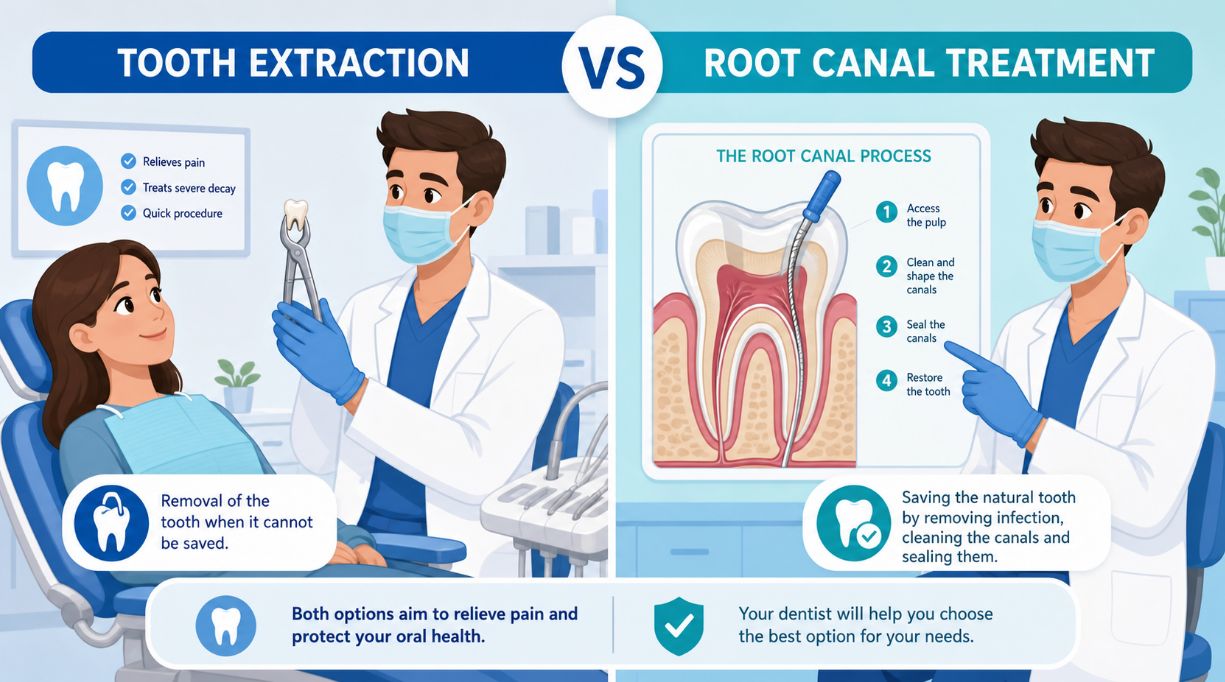
Tooth extraction is one of the most common dental procedures, but for many UK patients it raises a big question: should you remove the tooth, or try to save it with treatments like a root canal and crown instead? Understanding how extractions work, what to expect before and after, and when it is worth fighting for a tooth helps you make a calm, informed decision rather than an anxious, last‑minute one.
Dentists in the UK generally see extraction as a last resort, used when a tooth is too damaged, infected or loose to be predictably saved. Common reasons include:
-
Severe decay that has destroyed most of the tooth above the gum line
-
A large fracture or crack that runs under the gum or splits the tooth
-
Advanced gum disease causing the tooth to become very loose
-
Untreatable infection or failed previous root canal where retreatment is unlikely to succeed
-
Impacted wisdom teeth causing repeated pain, infection or damage to neighbouring teeth
In each of these situations, simply placing a filling or crown will not provide a long‑term solution, so removing the tooth can be the safest way to get rid of pain and infection.
Tooth extraction procedures: what actually happens
Simple extraction
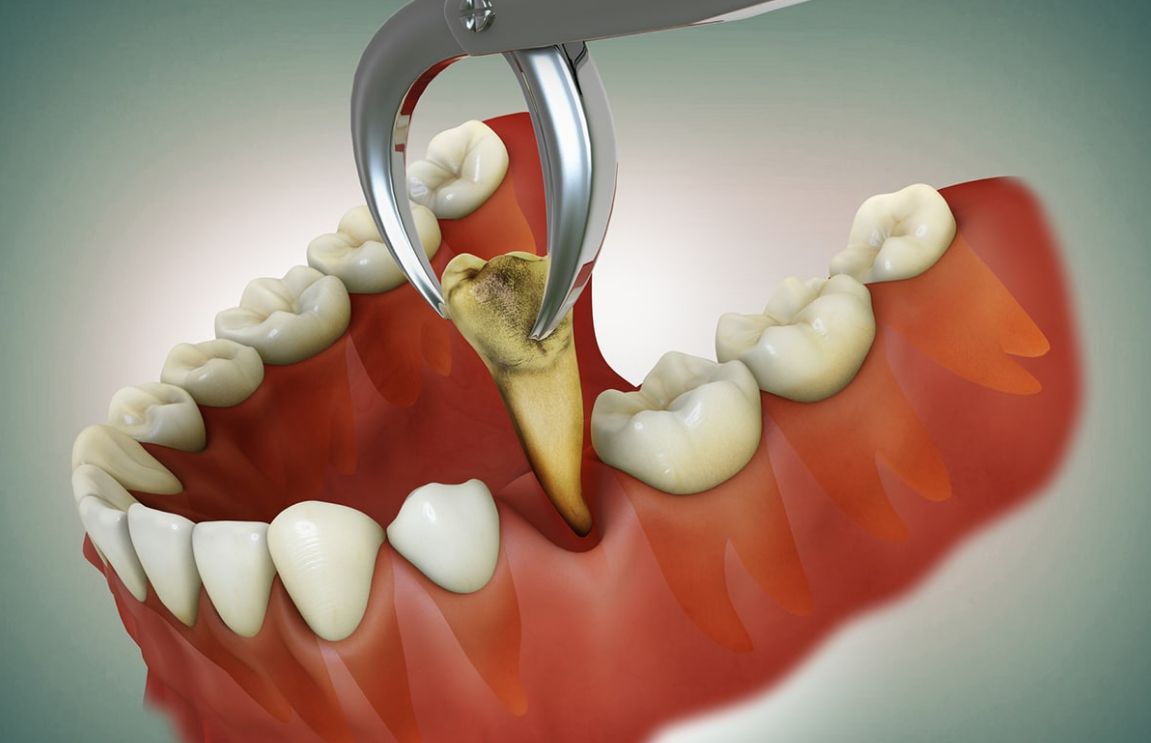
A simple extraction is used when the tooth is visible in the mouth and can be loosened and removed without cutting the gum.
-
Assessment and X‑rays: Your dentist examines the tooth and takes X‑rays to look at the roots and surrounding bone.
-
Local anaesthetic: The area is thoroughly numbed so you feel pressure but not sharp pain.
-
Loosening the tooth: The dentist uses small instruments to gently widen the socket and loosen the ligament holding the tooth.
-
Removing the tooth: Once mobile, the tooth is lifted out in one piece where possible.
-
Cleaning and clot formation: The socket is cleaned, and you are asked to bite on gauze so a blood clot can form, which is essential for healing.
This is the type of extraction most people experience for heavily decayed or damaged teeth at the back of the mouth.
Surgical extraction
A surgical extraction is more complex, often performed for impacted wisdom teeth or broken roots.
-
Your dentist or an oral surgeon may make a small cut in the gum to access the tooth.
-
In some cases, a bit of bone is gently removed, or the tooth is divided into pieces to take it out safely.
-
The area is thoroughly rinsed, and stitches may be placed to help the gum heal.
Although “surgical” sounds intimidating, these procedures are usually done under local anaesthetic, sometimes with sedation if you are particularly anxious.
Before extraction: how to prepare
Good preparation makes the procedure smoother and your recovery easier.
-
Medical history and medications: Inform your dentist about all medicines, including blood thinners, and any conditions such as heart disease, diabetes or immune problems.
-
Smoking and alcohol: You will usually be advised to avoid smoking and limit alcohol around the time of extraction, as both can affect healing and increase complications.
-
Eating and drinking: For most routine extractions under local anaesthetic, eating a light meal beforehand is recommended so you are comfortable.
-
Anxiety management: If you are nervous, discuss options such as longer appointments, sedation, or staged treatment so you feel in control.
Having a clear plan for what will replace the tooth (for example bridge, denture or implant) also helps you feel more positive about the process.
After extraction: healing, pain and normal recovery
Most people are surprised that the procedure itself is painless once fully numb, and the main discomfort comes over the next few days.
Typical healing timeline:
-
First 24 hours: A blood clot forms in the socket; you may have oozing, mild swelling and soreness controlled with pain relief.
-
2–3 days: Swelling and discomfort usually peak and then start to improve.
-
7–10 days: The gum begins to close over; stitches (if present) may be removed.
-
Several weeks to a few months: Bone and gum gradually remodel and strengthen.
Standard aftercare advice often includes:
-
Bite firmly on gauze initially to stop bleeding.
-
Avoid rinsing vigorously for the first 24 hours so you do not dislodge the clot.
-
After 24 hours, gently rinse with warm salt water several times a day.
-
Take painkillers as advised by your Budapest dentist or local pharmacist.
-
Do not smoke or vape while healing, as this greatly increases the risk of complications such as dry socket.
-
Avoid very hot drinks, hard or crunchy foods on that side of your mouth initially.
Most routine extractions heal without issue when aftercare instructions are followed closely.
Risks and possible complications of tooth extraction
Tooth extraction is generally safe, but like any minor surgical procedure it carries some risks.
-
Dry socket: This occurs when the blood clot in the socket dissolves or is dislodged too early, exposing bone and causing significant pain a few days after extraction.
-
Infection: Swelling, fever, increasing pain or a bad taste may indicate infection, especially in smokers, diabetic patients or those with reduced immunity.
-
Bleeding: Slight oozing is normal, but persistent bleeding may need a review.
-
Nerve irritation: Lower wisdom tooth extractions carry a small risk of temporary or rarely permanent numbness of the lip, chin or tongue.
-
Sinus involvement: Upper back teeth sit close to the sinus; occasionally an opening can occur that needs careful management.
Your dentist will discuss individual risks with you, especially if you have medical conditions or are taking medications that affect healing.
Long‑term impact of removing a tooth
It can be tempting to see extraction as a quick fix that removes pain and infection, but it does have long‑term consequences.
-
Tooth movement: Neighbouring teeth can drift or tilt into the gap over time, affecting your bite and making cleaning more difficult.
-
Opposing tooth over‑eruption: The tooth opposite the gap may gradually over‑grow into the space, sometimes causing further problems.
-
Bone loss: The jawbone that used to support the tooth naturally shrinks once the tooth is gone, which can affect future options for implants.
-
Functional changes: Losing back teeth in particular can reduce chewing efficiency and put more load on remaining teeth.
-
Aesthetic impact: Depending on the tooth, a gap may affect your smile and self‑confidence.
Because of these effects, most dentists recommend planning a replacement such as an implant, bridge or partial denture if a tooth must be removed.
How to avoid tooth extraction where possible
The best way to avoid extraction is to prevent the severe decay, infection and gum disease that force that decision in the first place.
-
Consistent daily cleaning: Brushing twice a day with fluoride toothpaste and cleaning between the teeth reduces decay and gum disease risk.
-
Regular dental check‑ups: Routine examinations and X‑rays allow early detection of problems when treatment is simpler and more conservative.
-
Prompt treatment of toothache: Ignoring pain or swelling allows decay and infection to spread, which can make saving the tooth more difficult.
-
Gum health: Professional scale and polish and good home care are vital to prevent advanced periodontal disease that loosens teeth.
-
Protecting teeth from trauma: Wearing a sports mouthguard and dealing with clenching or grinding can reduce the chance of fractures that lead to extraction.
Even when damage has occurred, options such as fillings, crowns or root canal therapy can often preserve the tooth if you seek care early enough.
Root canal vs extraction: is it worth trying to save a tooth?
When the nerve inside a tooth is badly damaged or infected, the big decision usually comes down to root canal treatment or extraction.
What root canal treatment involves
A root canal (endodontic treatment) removes the infected pulp from inside the tooth, cleans and disinfects the root canals, and fills them to prevent bacteria returning. The tooth is then restored, usually with a crown, to protect it from fracture and allow normal function.
Key benefits:
-
You keep your natural tooth, which looks and feels normal.
-
It avoids or delays the need for more complex replacement options such as implants.
-
Recovery is often quicker and more comfortable than extraction followed by further surgery.
When saving the tooth is usually recommended
Many dental and endodontic organisations emphasise that, where possible, preserving a tooth with root canal and appropriate restoration is generally better than removing it. It is often recommended when:
-
There is enough sound tooth structure left to support a filling or crown.
-
The roots and surrounding bone are healthy and not severely fractured.
-
The tooth plays an important role in your bite or smile, such as a front tooth or major chewing tooth.
-
You are able to maintain good oral hygiene and attend follow‑up visits.
Studies and clinical guidance repeatedly highlight that nothing works quite as well as your own tooth for biting, chewing and long‑term comfort if it can be predictably saved.
When extraction may be the better choice
That said, there are times when extraction is more sensible or more predictable than attempting to save a tooth at all costs. Extraction may be recommended when:
-
The tooth is cracked vertically or split under the gum line.
-
There is extensive decay below the gum, leaving too little tooth to rebuild securely.
-
Previous root canal treatment has failed and the prognosis even with retreatment or surgery is poor.
-
Severe gum disease has destroyed too much bone around the tooth.
-
The tooth is poorly positioned and causing repeated trauma or biting problems, such as some wisdom teeth.
In these situations, extraction can remove a chronic source of infection or pain and allow you to move on to a well‑planned replacement option.
Cost and long‑term value
On the surface, extraction may appear cheaper than a root canal, especially if you are focusing on the immediate fee. However, when you factor in the cost of replacing the missing tooth with a bridge, denture or dental implant, total costs can exceed those of saving the tooth in many cases.
Endodontic specialists note that, more often than not, root canal treatment followed by a crown is both more cost‑effective and better for long‑term function than extraction and prosthetic replacement.
How your dentist decides: key clinical factors
Dentists do not rely on guesswork when recommending extraction or root canal; they weigh a set of clinical factors and discuss them with you. These include:
-
The amount of healthy tooth above the gum line
-
Root shape, length and any fractures
-
The level of bone support around the tooth
-
Existing restorations such as large fillings or crowns
-
Your general health, gum health and ability to maintain good cleaning
-
Your budget and long‑term expectations
Using X‑rays, tests and clinical experience, your dentist or an endodontist can estimate the likely success of saving the tooth versus removing it. The best decision balances clinical predictability, cost, appearance and your personal preferences.
Making a confident decision as a UK patient
If you are facing the possibility of extraction, it helps to approach the decision calmly and methodically. Consider:
-
Ask clearly: “Can this tooth be predictably saved, and if so, how?”
-
Request an explanation of the pros and cons of extraction versus root canal in your specific case, not in general terms.
-
Discuss timing and costs of any replacement options if the tooth is removed, so you know the full picture.
-
If you are unsure, a second opinion from another dentist or an endodontist can be invaluable, especially for important teeth.
In many situations, saving the tooth with root canal and a good quality restoration offers the best combination of comfort, function and long‑term value. In other cases, especially where structural damage is extensive, a carefully planned extraction may be the healthiest way forward.