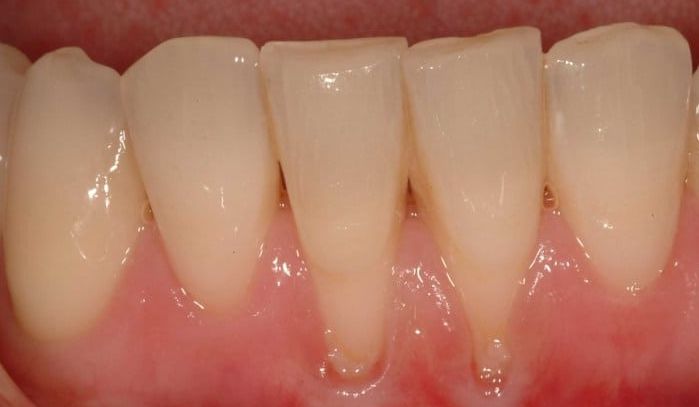
Receding gums, also known as gingival recession, impact the health and appearance of millions worldwide. This comprehensive review, crafted for your Healthy Tips section, explains what gum recession is, why it occurs, the latest evidence-based treatments, and how dental tourism can provide both affordable and top-tier care for those facing this condition.
What Are Receding Gums?
Gum recession occurs when the soft gum tissue pulls back from the teeth, exposing the roots. Not only is this an aesthetic concern—making the teeth look longer and older—but gum recession also increases the risk of sensitivity, root cavities, gum disease, and even tooth loss if left untreated.
Primary Causes of Gum Recession
Receding gums are multifactorial, with key factors including:
-
Periodontal disease: Chronic inflammation caused by bacteria in plaque/tartar leads to tissue destruction and gum retreat.
-
Aggressive tooth brushing: Overbrushing or using hard-bristled brushes physically erodes gum tissue over years.
-
Genetics: Up to 30% of people are genetically predisposed to thinner, more fragile gums.
-
Aging: Incidence rises with age, with 80% of those over 65 affected.
-
Malocclusion (misaligned teeth): Irregular bite positions force gums away from teeth.
-
Bruxism: Teeth grinding and jaw clenching can traumatize supporting gum structures.
-
Tobacco use: Smoking and smokeless tobacco irritate gums, increasing risk of recession and complicating healing.
-
Hormonal changes: Particularly relevant for women during menopause, pregnancy, or other hormonal shifts.
-
Inadequate dental work: Poor-fitting crowns, fillings, or dental appliances may stress gum tissue.
Signs and Symptoms
Watch for these warning signs:
-
Teeth appearing “longer” as the gum pulls away
-
Sensitivity to hot, cold, or sweet foods/drinks
-
Exposed yellow tooth roots
-
Visible notches at the gumline
-
Bleeding during brushing or flossing
-
Bad breath due to accumulating bacteria
Early gum recession can be subtle, so regular dental check-ups are essential.
Risks of Untreated Gum Recession
-
Root decay: Exposed roots lack enamel, making them highly susceptible to cavities
-
Tooth sensitivity: Discomfort triggered by temperature or touch, impacting eating
-
Advanced gum disease (periodontitis): Progresses to bone loss and loose teeth
-
Tooth loss: Advanced cases with severe tissue and bone destruction
-
Aesthetic changes: Noticeable gaps, longer teeth, uneven gumlines
Modern Treatments for Receding Gums
Best-practice treatment depends on cause, extent, and patient health:
Non-Surgical Interventions
-
Scaling and root planing: Deep cleaning to remove plaque/tartar from roots and beneath gumline; reduces infection/inflammation for mild-moderate recession.
-
Antibacterial rinses and topical antibiotics: Control bacteria and promote healing.
-
Desensitizing products/varnishes: Ease root sensitivity.
-
Lifestyle modifications: Switching to gentle brushing, specialized toothpaste, and quitting smoking.
Surgical and Regenerative Techniques
-
Gum grafting (soft tissue grafts): Tissue (from the roof of the mouth or donor) is transplanted to cover exposed roots. This restores protection, function, sensitivity, and appearance.
-
Pinhole Surgical Technique (PST): Small holes in the gum allow gentle repositioning over exposed roots—minimally invasive, no sutures.
-
Guided tissue regeneration: Mesh membranes or protein gels stimulate regrowth of bone/gums around teeth.
-
Laser and ultrasonic therapies: Modern lasers remove diseased tissue, disinfect pockets, and encourage gums to reattach with minimal trauma/bleeding.
Gum Contouring and Cosmetic Options
-
For some, reshaping the gums can restore a beautiful, symmetrical smile after treating underlying disease. Contouring balances the gumline for long-lasting aesthetic and hygiene improvements.
Dental Tourism for Receding Gums: Pros and Considerations
Many patients travel abroad for recession treatment, especially for grafting, laser therapies, and advanced periodontal care. Why?
Benefits
-
Cost Savings: Up to 60% lower costs in Hungary, Turkey, or Poland compared to UK/Western Europe.
-
World-class expertise: Many clinics offer internationally accredited, board-certified periodontists.
-
No waiting lists: Fast access to complex surgeries, often scheduled in one trip.
-
Advanced technology: Clinics invest in digital scans, state-of-the-art lasers, and modern microsurgery.
-
Personalized care: Multilingual coordinators, aftercare, and detailed treatment plans.
Cautions
-
Continuity of care: Plan follow-ups with local providers or schedule future visits.
-
Travel recovery: Some surgeries require a few recovery days before returning home.
-
Thorough research: Choose only clinics with proven credentials, patient testimonials, and transparent policies.
Managing Gum Health After Treatment
-
Meticulous at-home care: Use soft brushes, proper technique, and non-abrasive toothpaste.
-
Routine professional cleanings: Schedule every 3–6 months, especially after surgery.
-
Periodontal evaluation: Check-ups to ensure long-term healing and to monitor for recurrence.
-
Address underlying risks: Manage diabetes, quit smoking, correct bite or orthodontic issues as advised.
Myths and Facts: Setting the Record Straight
| Claim | Fact Check | Reality/Expert View |
|---|---|---|
| “Receding gums grow back naturally” | Myth | Lost gum tissue does not regenerate without surgery |
| “Surgery is the only option” | Myth | Mild cases improve with non-surgical care, early action is key |
| “Only old people get receding gums” | Myth | Anyone can develop recession due to lifestyle/genetics |
| “It’s purely a cosmetic issue” | Myth | Recession has serious consequences if untreated |
Frequently Asked Questions
Is gum graft surgery painful?
Modern surgery uses local anesthesia and gentle techniques, resulting in minimal pain and relatively quick recovery.
How can I prevent receding gums?
Gentle brushing, regular dental visits, no smoking, and professional cleaning are best.
Can receding gums reverse on their own?
No; surgical or regenerative procedures are needed to restore lost tissue.
Conclusion: Early Action Ensures Lifelong Gum Health
Gum recession is common, but it’s not inevitable. Early detection, top-tier professional treatments (including options abroad), and proactive prevention mean you can safeguard both your health and your smile for years to come. Dental tourism makes advanced, expert care and high-tech therapies accessible everywhere – a smart approach to overcoming this significant oral health issue.