British patients are increasingly traveling to Türkiye for medical and dental procedures – particularly dental implants – to avoid lengthy NHS queues and high private costs in the UK. This trend is fueled by the promise of affordable, efficient care, but comes with important considerations about safety, clinic selection, and long-term results. Below is a comprehensive expert resource using Turkiye Today report designed for UK patients, unpacking the full reality of this phenomenon with actionable advice and research-backed insights.
Introduction: A Growing Trend in Medical and Dental Tourism
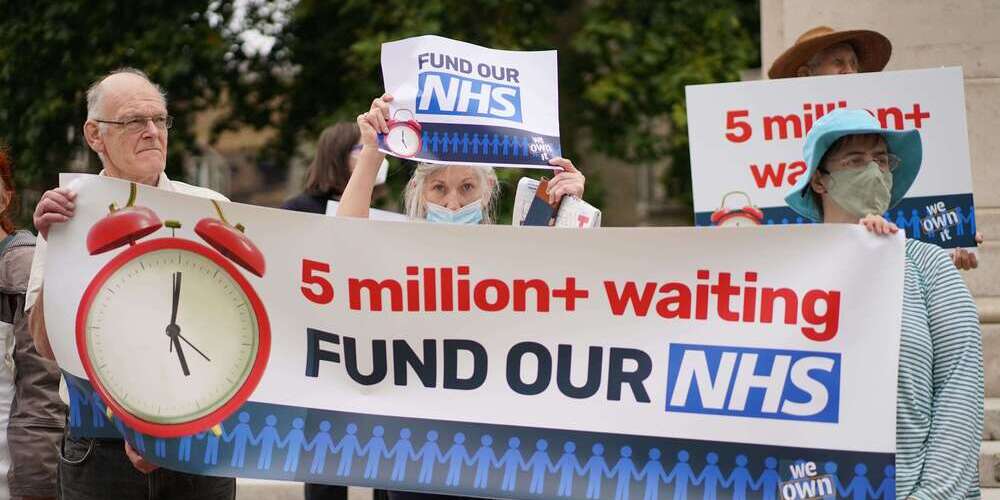
The number of British citizens turning to Türkiye for dental implants and other medical treatments has surged in recent years. Data from the UK’s Office for National Statistics reveals a dramatic rise—from 234,000 to 431,000 UK residents seeking medical treatments abroad between 2021 and 2023. Medical tourists cite long NHS waiting lists, high private clinic costs, and influencer-driven social media campaigns as key factors fueling their decisions.
Conferences like the London International Health Tourism Expo, attracting Turkish clinics and UK patients, exemplify the industry’s growth and changing dynamics.
Why Choose Türkiye for Dental Implants?
Cost Savings
-
Affordability: Dental implant costs in Türkiye are remarkably lower than in the UK. Amber Dee, a 48-year-old British patient, highlighted the savings—paying £8,000 for a full set of dental implants in Türkiye, compared with £4,000 for a single tooth replacement in the UK.
-
Comprehensive Packages: Turkish clinics offer bundled packages, covering accommodation, airport transfers, pre-surgical assessments, surgery, aftercare, and sometimes sightseeing.
Efficiency and Accessibility
-
Reduced Waiting Times: NHS backlog and private scheduling delays have made timely dental treatment difficult for many Britons. In Türkiye, booking an implant procedure often requires only a digital consultation followed by swift in-person appointments.
-
Easy Access: Central hubs such as Istanbul, Antalya, and Izmir host hundreds of certified clinics, making dental tourism a streamlined process for foreign patients.
Social Influence and Media
British influencers, reality TV personalities, and celebrities have visited Turkish clinics and shared their dental journeys online. Katie Price and others have posted before-and-after photos, reviews, and recommendations that have motivated thousands to seek similar procedures.
While powerful for clinic marketing, these stories sometimes gloss over potential risks and complications, as well as the nuances of post-procedure care abroad.
The Reality of Risk: Safety Concerns and Clinical Standards
Safety Incidents and Adverse Outcomes
Despite booming popularity, not all experiences are positive. Between 2018 and 2022, over 300 British patients required hospital treatment in the UK after problematic procedures in Türkiye—some involving dental implants, others cosmetic surgeries. The British Association of Aesthetic Plastic Surgeons, alongside parliamentary reports, confirmed at least 28 deaths of British nationals after elective procedures in Türkiye since 2019.
Causes of Complications
-
Low-Cost Clinics: Some patients choose clinics solely based on price, prioritizing discount packages over proper credentials, equipment, and surgeon experience.
-
Insufficient Screening: Poorly performed medical assessments increase the risk for postoperative infections, nerve damage, implant failure, or bone loss.
-
Material Variation: Not all dental implant systems used abroad meet EU or UK certification standards. Cheaper or non-genuine implants may result in reduced lifespan and higher infection rates.
Government Efforts: Certification and Regulation
Following a wave of negative publicity, Türkiye introduced a mandatory government certification system for health tourism providers in 2017. Now, clinics treating foreign patients must attain official accreditation, a move that has improved transparency and safety. By 2024, approximately 4,000 certified clinics and hospitals across Türkiye were serving an estimated 2 million foreign patients annually.
However, certification does not guarantee perfect outcomes—for example, failures have been reported even in certified facilities, such as the tragic death of a French student after beard transplantation at a regulated Istanbul clinic.
Patient Selection: What Makes a Safe Dental Tourist?
Pre-Travel Preparation
-
Research Credentials: Review clinic accreditation, dentist training, patient testimonials, and independent reviews. Prefer clinics participating in international conferences and expos.
-
Consult Locally: Speak to a UK dentist prior to travel for unbiased advice and risk assessment. Request a second opinion if uncertain about candidacy for implants.
-
Request Written Treatment Plans: Insist on written descriptions of proposed procedures, materials to be used, brands of implants, and aftercare options.
On Arrival: Prioritize Safety and Transparency
-
Full Assessment: Demand comprehensive dental scans (CT, panoramic X-ray) and bloodwork before surgery.
-
Surgeon Introduction: Meet your implantologist in advance rather than relying on sales consultants or online promises.
-
Verify Aftercare: Confirm that your post-surgical care, medication, and follow-up are part of your package and clearly explained.
Red Flags to Avoid
-
Clinics that quote prices without reviewing scans
-
Lack of documentation (contracts, insurance, medical records)
-
Vague or pushy online communication avoiding direct answers
-
A focus on cosmetic results with minimal mention of long-term health
What to Expect in Turkish Dental Clinics: A Step-By-Step Guide
1. Initial Consultation
Digital submission of dental photos, medical history, and current complaints. Assessments are rapid and managed online with English-speaking teams.
2. Arrival and Assessment
Receive full dental imaging and physical examination. Treatment plans are confirmed and finalized with in-person discussion.
3. Procedure
Implant surgeries typically use local anesthesia, sometimes supported by sedation. Most clinics offer advanced protocol, including minimal invasive approaches when possible.
4. Recovery
Stay in a nearby hotel for 3–7 days depending on procedure complexity. Receive scheduled check-ups by clinical team. Antibiotics and painkillers are dispensed as required.
5. Aftercare
Detailed written instructions for healing, hygiene, and home-based follow-up. Many clinics offer remote video follow-up or a UK partner dentist for additional support.
Financial Considerations: Should You Plan for the Unexpected?
While upfront costs are significantly lower, unanticipated additional charges may arise:
-
Emergency care (if complications occur after return)
-
Repeat travel for implant adjustments or repairs
-
Insurance supplements for medical tourism
Experts recommend securing travel insurance that specifically covers complications arising from dental procedures abroad.
Real Case Studies: Successes and Challenges
Positive Outcome
A 42-year-old finance executive accessed immediate full-mouth implant care unavailable via the NHS, transforming both her smile and professional confidence. She rated the clinical care in Istanbul as “outstanding,” especially the detailed before-and-after imaging and the supportive English-speaking team.
Negative Outcome
A 55-year-old man reported untreatable nerve pain following aggressive preparation of teeth for bridges. UK dentists declined repair, citing non-approved materials and unresolved complications, resulting in increased costs and ongoing discomfort.
The Role of International Expos and Medical Tourism Associations
International events—such as the London and Berlin Health Tourism Expos—have increased the visibility and credibility of top-tier Turkish clinics. These expos connect patients directly with accredited providers and encourage transparent discussion about risks, benefits, and legal protections.
The Medical Tourism Association, a global authority, advises patients to research thoroughly and choose clinics based on professional credentials rather than price alone.
Legal and Ethical Considerations
-
Legal Recourse: Pursuing legal compensation for failed dental work abroad is significantly more challenging than in the UK. Patients should clarify what regulatory or insurance protections exist before travel.
-
Ethical Marketing: Social media “success stories” must be balanced with honest patient testimonials, transparency about risks, and acknowledgment of the real possibility of complications.
The Future of Dental Tourism: UK, Türkiye, and Beyond
With the expansion of government-certified clinics and greater accessibility, Türkiye continues to attract British dental tourists. However, patients must approach decision-making proactively, armed with knowledge about standards, long-term health implications, and financial planning.
Professional UK organizations increasingly emphasize preventative education, encouraging comprehensive consultation and evidence-based choices over viral trends or price-led selection.
Practical Checklist for British Patients Considering Dental Implants in Türkiye
-
Verify clinic certification and surgeon credentials.
-
Obtain written, detailed treatment plans before booking.
-
Arrange comprehensive imaging and assessments—both before and during your trip.
-
Confirm all aftercare, remote support, and contingency plans.
-
Secure medical travel insurance that covers procedure-related complications.
-
Consult a UK dentist for unbiased pre-travel advice.
-
Review actual patient outcomes, not just marketing or influencer stories.
Conclusion: Safeguarding Your Smile and Investment
Türkiye’s rise as a global dental tourism hub is shaped by affordability, efficiency, and expanding clinical capacity. For British patients seeking dental implants, the advantages can be transformative, but only when paired with rigorous research, planning, and realistic expectations.
A successful outcome requires more than a cheap deal—it demands clinical excellence, transparency, and a focus on long-term oral health. By following expert advice and prioritizing safety, British patients can navigate the world of dental tourism confidently and responsibly.