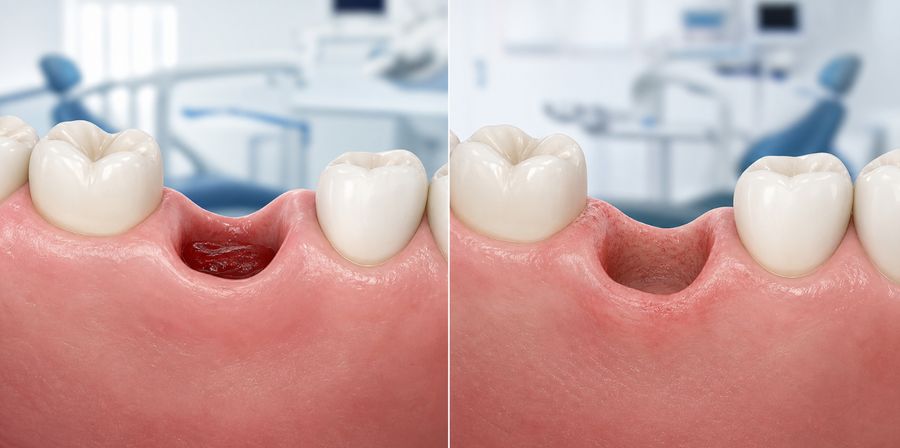
Dry socket, medically known as alveolar osteitis or alveolitis sicca, is a painful but treatable complication that can occur after a tooth extraction. It happens when the protective blood clot in the empty tooth socket breaks down too early, fails to form adequately, or becomes dislodged before the gum has healed.
For UK patients, dry socket is particularly associated with difficult extractions and lower wisdom tooth removal. The pain can feel alarming, but prompt assessment by a dentist usually provides substantial relief through gentle cleaning and a medicated dressing. It is not usually a reason to panic – but it should not be ignored.
What Is a Dry Socket?
After a tooth is removed, the body normally forms a blood clot inside the socket – the small hole left in the jawbone. This clot is essential. It acts as a natural protective dressing over the bone and sensitive nerve endings while the gum tissue gradually closes over the area.
In normal healing, the clot remains in place and is replaced over time by healing tissue. With a dry socket, that process is interrupted. The clot may dissolve prematurely, detach from the bone socket, or not develop sufficiently in the first place. As a result, the socket may be left partly exposed, causing inflammation and intense pain.
Despite the name, dry socket does not necessarily mean the socket is literally dry. It describes the loss of the healthy clot and the delayed healing that follows. The condition is generally considered an inflammatory complication rather than a straightforward bacterial infection. This distinction matters because antibiotics are not routinely the correct treatment for dry socket alone.
Dry socket can happen after the removal of any tooth, but it is more frequently seen after difficult lower molar or wisdom tooth extractions. The lower jaw tends to have denser bone and lower wisdom teeth are often more difficult to remove, especially when they are impacted, angled or partly covered by gum.
Dry Socket Symptoms
Some soreness, swelling and tenderness are expected after a tooth extraction. For most people, discomfort is at its worst during the first day or two and then gradually improves.
Dry socket pain tends to follow a different pattern: it often begins or becomes noticeably worse after an initial period of improvement. It commonly develops around three to five days after extraction, though timing can vary.
Common dry socket symptoms include:
-
Severe, persistent or throbbing pain in the extraction site
-
Pain spreading towards the ear, temple, cheek, eye or jaw on the same side
-
A socket that appears empty, with little or no visible blood clot
-
Exposed-looking bone in the extraction site
-
An unpleasant taste in the mouth
-
Bad breath or an unpleasant smell from the socket
-
Pain that does not respond well to ordinary pain relief
-
Tenderness in the surrounding gum and jaw
A dry socket can be extremely uncomfortable, but pain alone does not always confirm the diagnosis. A dentist needs to assess the area and rule out other causes, including retained food debris, infection, delayed healing, a sharp bone edge, or a problem affecting a nearby tooth.
Why Does Dry Socket Happen?
The exact cause of alveolitis sicca is not always simple. In broad terms, dry socket occurs when the blood clot is disturbed or breaks down too soon. Research describes a process called fibrinolysis, in which the clot is broken down prematurely, leaving the socket inadequately protected.
Several factors may increase the risk.
Smoking, Vaping and Tobacco Use
Smoking is one of the most important and consistently recognised dry socket risk factors. Tobacco smoke can interfere with blood flow and healing, while the physical suction created during smoking may disturb the blood clot. Nicotine can also reduce the blood supply needed for normal wound repair.
Vaping is not a risk-free alternative during extraction recovery. Even where there is no tobacco smoke, nicotine and inhalation-related suction can still compromise healing. UK hospital aftercare guidance commonly advises avoiding smoking for at least several days after oral surgery; some leaflets recommend a minimum of five days where possible.
If you smoke, tell your dentist before an extraction. This allows them to discuss your individual risk and provide realistic stop-smoking or nicotine-replacement advice.
Difficult or Surgical Tooth Extraction
A simple extraction and a surgical extraction do not place the same demands on the tissues. Dry socket is more likely after a complex procedure involving greater surgical trauma, such as removal of an impacted wisdom tooth, a deeply broken tooth or a tooth with curved roots.
Longer procedures may involve more manipulation of gum and bone, which can affect clot stability and local healing. Lower wisdom teeth are a well-known higher-risk category.
Oral Hygiene and Existing Inflammation
Good oral hygiene supports healthy healing. Plaque, food debris and inflammation around the tooth being removed may increase the risk of postoperative complications. This does not mean that dry socket is simply caused by poor cleanliness or that a patient has done something wrong; it is a multifactorial condition.
However, keeping the mouth clean before and after extraction—without aggressively disturbing the socket—is sensible preventive care. Evidence reviews note that reducing plaque and debris may help lower risk, even though dry socket itself is not regarded as primarily bacterial in origin.
Dislodging the Blood Clot
A new blood clot is fragile. The first 24 hours are particularly important, which is why dentists usually instruct patients not to rinse vigorously, spit forcefully or use a drinking straw immediately after extraction.
Suction and pressure changes in the mouth can interfere with the clot. Common examples include:
-
Drinking through a straw
-
Smoking or vaping
-
Forceful spitting
-
Vigorous mouth rinsing
-
Repeatedly touching the socket with the tongue or fingers
-
Eating hard, crunchy or sharp foods too early
-
Heavy exercise immediately after the procedure
Not every person who uses a straw will develop dry socket, and not every dry socket is caused by a patient’s actions. Nevertheless, protecting the clot is one of the most practical ways to reduce risk.
Hormonal Factors and Medication
Oestrogen-containing oral contraceptives have been identified as a possible risk factor in some research. Hormonal influences may affect clotting and tissue healing. Your dentist does not usually advise stopping prescribed contraception without medical guidance, but it is useful to mention it during your medical history.
You should also tell your dentist about all medicines, supplements and herbal products you take. This includes anticoagulants, antiplatelet medication, steroids, immunosuppressants and medicines that may affect healing or bleeding. Do not stop prescribed medication unless the clinician managing your care tells you to do so.
Previous Dry Socket
Having had dry socket previously may indicate a higher individual risk in a future extraction. Inform your dentist or oral surgeon, particularly if you are having wisdom teeth removed or require another surgical extraction. They may consider additional preventive measures based on your clinical circumstances.
Dry Socket Treatment: What a UK Dentist May Do
If you believe you have dry socket, contact the dentist or oral surgery department that carried out the extraction. Do not attempt to probe, scrape or pack the socket yourself. Home remedies placed directly into the wound – such as aspirin, alcohol, essential oils, clove oil, cotton wool or herbal powders – can burn tissue, trap debris or delay appropriate care.
Professional treatment is usually focused on three priorities: relieving pain, gently removing debris and supporting healing.
Examination and Gentle Irrigation
Your dentist will inspect the socket and surrounding tissues. They may carefully irrigate the area with saline to remove trapped food particles and debris. This often offers relief by reducing local irritation.
Scottish dental clinical guidance recommends saline irrigation and, where appropriate, a suitable dressing for dry socket management. It also notes that chlorhexidine irrigation is not recommended as dry socket treatment because supporting evidence is insufficient and chlorhexidine can, very rarely, cause a serious allergic reaction.
Medicated Dressing
A dentist may place a soothing or medicated dressing into the socket. The purpose is usually to reduce pain, protect the area and limit food packing while the wound heals. Depending on the material used and the severity of symptoms, the dressing may need replacing at follow-up appointments.
The dressing is not a permanent “cure” by itself; the body still has to heal the socket naturally. However, it can make the recovery period far more manageable. NHS guidance explains that clinicians may flush debris from the socket or cover it with a medicated dressing, replacing it if required until healing progresses.
Pain Relief
Your dentist may advise suitable pain relief based on your medical history. Paracetamol and ibuprofen are commonly used after dental surgery, but they are not appropriate for everyone. For example, ibuprofen may be unsuitable for people with certain stomach, kidney, heart, bleeding or asthma conditions, or for those taking particular medicines.
Always follow the instructions on the packet and any advice from your dentist, pharmacist or GP. Do not exceed the maximum daily dose, and do not combine products containing the same active ingredient.
Antibiotics: Usually Not Needed
A key point for patients is that dry socket does not automatically require antibiotics. Because alveolar osteitis is generally inflammatory rather than a spreading bacterial infection, antibiotics usually do not address the underlying issue.
Antibiotics may be considered only where there are signs of spreading infection, systemic illness, or a particular clinical reason such as significant immunocompromise. Unnecessary antibiotic use can cause side effects and contributes to antimicrobial resistance.
How Long Does Dry Socket Last?
Once it is professionally managed, severe pain often improves quickly, sometimes within hours or a few days. The socket still needs time to heal, and some tenderness may remain. Your dentist may recommend review appointments if a dressing has been placed or if symptoms do not settle as expected.
Avoid assuming that the pain must simply be tolerated. A worsening tooth-extraction pain that develops several days after treatment is a valid reason to contact your dentist.
How to Prevent Dry Socket
No prevention plan can remove all risk, especially after a difficult wisdom tooth extraction. However, careful pre-operative planning and aftercare can significantly reduce the chance of clot disruption.
Before Your Extraction
-
Tell your dentist about smoking, vaping, medical conditions, allergies, previous dry socket and all medications.
-
Keep your teeth and gums as clean as possible before treatment, following your normal brushing and interdental-cleaning routine.
-
Ask whether your extraction is likely to be surgical or complex and request clear written aftercare instructions.
-
If you smoke, aim to stop before the procedure and remain smoke-free during healing. This benefits not only dry socket risk but overall gum and oral health.
-
Discuss chlorhexidine only if your dentist recommends it. Research supports chlorhexidine products as a preventive option in selected extraction patients, but it should be used according to professional advice and is not suitable for everybody.
During the First 24 Hours
The first day is about allowing the clot to stabilise.
-
Bite on the gauze provided for the length of time advised by your dental team.
-
Rest and avoid strenuous activity.
-
Do not rinse your mouth or spit forcefully.
-
Do not smoke, vape or use tobacco.
-
Do not drink alcohol.
-
Do not use straws.
-
Avoid hot drinks and hot food until the local anaesthetic has worn off and bleeding is controlled.
-
Choose soft, cool or lukewarm foods, chewing on the opposite side where possible.
-
Do not repeatedly inspect the socket or touch it with your tongue.
Avoiding rinsing and spitting for the first 24 hours is standard NHS postoperative advice because doing so may wash away the clot and increase the risk of pain and dry socket.
From the Next Day
After the first 24 hours, mouth cleanliness becomes more important—but the key word is gentle.
-
Brush your other teeth as normal and clean carefully near the extraction site.
-
Use gentle warm salt-water rinses if advised by your dentist.
-
Do not swish vigorously; allow the water to move gently around the mouth and let it fall out rather than forcefully spitting.
-
Continue eating soft foods until chewing feels comfortable.
-
Avoid crunchy foods such as crisps, nuts, seeded bread and brittle biscuits, which can lodge in the socket.
-
Keep avoiding smoking and vaping for as long as possible during recovery.
Guy’s and St Thomas’ NHS Foundation Trust advises beginning warm salt-water rinses from the day after surgery, four times daily for four to five days. Your own dentist’s instructions should always take priority, especially if you have had stitches, bone grafting, implant-related treatment or complex oral surgery.
Dry Socket vs Infection: When Should You Seek Help?
Dry socket and infection can share symptoms such as pain, bad taste and unpleasant breath, but they are not the same. A dry socket usually produces severe local pain several days after extraction, often without a fever or extensive facial swelling.
Contact your dentist urgently if pain is severe, worsening or not controlled by recommended pain relief. NHS advice also recommends urgent dental help where there is severe or increasing pain and swelling, persistent bleeding, a bad taste with fever, or feeling generally unwell.
Seek urgent professional advice if you develop:
-
Increasing facial swelling
-
Fever, chills or feeling unwell
-
Difficulty swallowing or breathing
-
Spreading redness or swelling in the face or neck
-
Persistent bleeding that does not stop with firm pressure
-
Difficulty opening your mouth that is rapidly worsening
-
Numbness, altered sensation or other unexpected postoperative symptoms
In the UK, contact your regular dentist first when possible. If you cannot access urgent dental care, use NHS 111 for guidance. Breathing difficulty, rapidly spreading facial or neck swelling, or a severe allergic reaction requires emergency care.
Final Advice
Dry socket is one of the more painful complications following tooth extraction, but it is manageable with timely dental care. The best prevention strategy is straightforward: protect the blood clot, avoid smoking and vaping, do not rinse or spit forcefully during the first day, maintain gentle oral hygiene afterwards, and follow the extraction aftercare instructions you are given.
If pain worsens instead of improving a few days after an extraction, especially with a foul taste or bad breath, contact your dentist promptly. Early assessment can make recovery considerably more comfortable.
Dry Socket FAQs
What is dry socket?
Dry socket, also called alveolar osteitis or alveolitis sicca, is a painful complication after a tooth extraction. It occurs when the protective blood clot in the extraction socket breaks down, is dislodged or does not form properly, leaving the underlying bone and nerve endings less protected.
When does dry socket usually start?
Dry socket pain usually develops one to five days after a tooth extraction, often becoming more noticeable after initial soreness had started to improve. Many patients report worsening pain around day three to five.
What does dry socket feel like?
Dry socket usually causes intense, persistent or throbbing pain at the extraction site. Pain may spread towards the ear, temple, eye, cheek or jaw on the same side, and it may not be fully controlled by usual over-the-counter pain relief.acutedentalproblems.
What are the signs of dry socket?
Typical signs include a worsening ache or throbbing pain, an empty-looking socket, a bad taste, unpleasant breath and, occasionally, visible bone inside the socket. Some swelling can occur, but significant facial swelling or fever may indicate infection rather than dry socket alone.acutedentalproblems.
Can dry socket happen after any tooth extraction?
Yes. Dry socket can occur after removal of any tooth, but it is more common after molar extraction—particularly a difficult or surgical lower wisdom tooth extraction.
Is dry socket an infection?
Not usually. Dry socket is primarily an inflammatory healing complication caused by early loss or breakdown of the blood clot. A dentist will check for infection, which may coexist or cause similar symptoms, but antibiotics are not routinely needed for uncomplicated dry socket.
Does dry socket require antibiotics?
Usually, no. Antibiotics may be appropriate if there are signs of spreading infection, systemic illness, pus, marked swelling or a relevant medical reason, such as immunocompromise. For dry socket itself, treatment usually focuses on pain control, saline irrigation and a soothing dressing.acutedentalproblems.
How is dry socket treated?
A dentist will usually assess the socket, gently rinse out food debris and may apply a medicated or soothing dressing to reduce pain. You may need follow-up appointments if the dressing needs to be replaced or symptoms remain severe.acutedentalproblems.
Can dry socket heal on its own?
Yes, dry socket is generally self-limiting and will heal as the socket repairs itself. However, professional dental care can greatly reduce pain, remove debris and ensure that a more serious problem, such as infection, is not being missed.
How long does dry socket last?
The duration varies, but discomfort often improves substantially after dental treatment. The extraction socket itself continues to heal over the following days or weeks; your dentist may ask you to return for additional dressing changes if pain persists.
Can smoking cause dry socket?
Smoking is a recognised risk factor. It can impair healing, expose the surgical site to harmful chemicals and create suction that may disturb the blood clot. Avoid smoking and tobacco use after an extraction for the period advised by your dentist.acutedentalproblems.
Does vaping increase dry socket risk?
Vaping may also increase risk because inhaling creates suction in the mouth and many vape products contain nicotine, which can affect wound healing. It is safest to avoid vaping during the early recovery period and follow your dentist’s individual advice.
Can I use a straw after a tooth extraction?
Avoid drinking through a straw during the early healing stage. The suction can dislodge the forming blood clot and may increase the risk of dry socket. Drink carefully from a cup or glass instead.
Can I rinse my mouth after an extraction?
Do not rinse vigorously or spit forcefully during the first 24 hours, as this can disturb the blood clot. From the following day, dentists commonly recommend gentle warm salt-water rinses, but follow the specific aftercare guidance provided for your procedure.
Can I use clove oil to treat dry socket at home?
Do not place clove oil, aspirin, alcohol, cotton wool or other home remedies directly into the extraction socket. These products may irritate healing tissue, cause burns or trap debris. Arrange a dental assessment so that any dressing or treatment is used safely.
Is dry socket contagious?
No. Dry socket is not contagious and cannot be passed to another person. It is a local complication of healing after a tooth extraction.
Can dry socket cause bad breath?
Yes. A bad smell or unpleasant taste can occur when the socket is inflamed or contains trapped debris. However, bad breath alone does not confirm dry socket; see a dentist if it occurs with worsening pain after an extraction.acutedentalproblems.
How can I prevent dry socket?
Protect the blood clot by avoiding smoking, vaping, alcohol, straws, forceful spitting and vigorous mouth rinsing immediately after extraction. Rest, eat soft foods, keep your mouth clean as advised and begin gentle salt-water rinsing from the next day if your dentist recommends it.imperial.
When should I contact a dentist about suspected dry socket?
Contact your dentist promptly if pain becomes more severe two to five days after extraction, especially if you have a bad taste, unpleasant smell or an empty-looking socket. Seek urgent dental advice if you have fever, increasing facial swelling, pus, difficulty swallowing or breathing, or feel generally unwell.
Sources
- NHS: Wisdom tooth removal
- NHS inform: Wisdom tooth removal
- Scottish Dental Clinical Effectiveness Programme: Alveolar osteitis (dry socket)
- Cochrane: Prevention and treatment of alveolar osteitis
- NCBI Bookshelf: Alveolar Osteitis
- Guy’s and St Thomas’ NHS Foundation Trust: Dental surgery and recovery