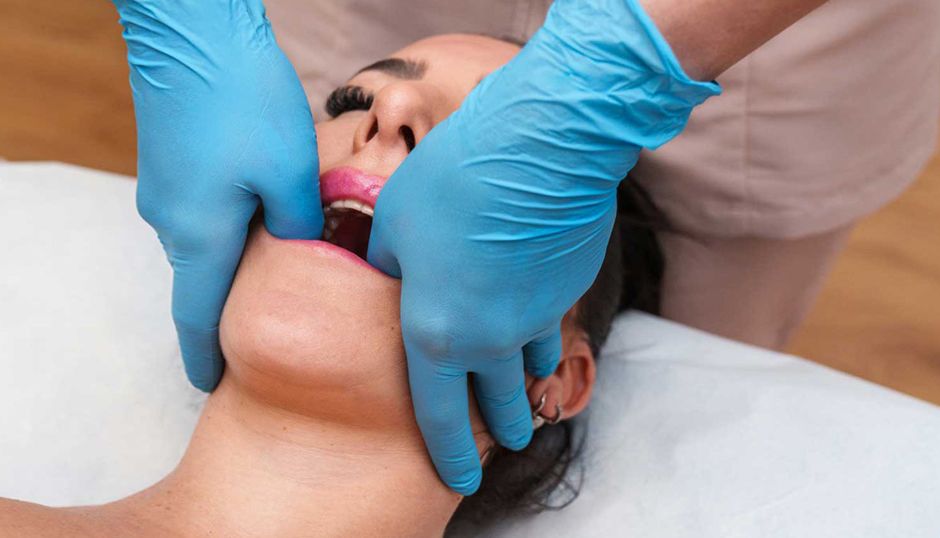
Temporomandibular joint (TMJ) disorders are among the most misunderstood and underdiagnosed conditions affecting millions globally. Characterized by pain, clicking, and dysfunction of the jaw, TMJ disorders (also known as TMD) disrupt speaking, eating, sleeping, and quality of life. As a dental review expert, this guide offers a thorough exploration of TMJ disorders, their causes, the most advanced modern therapies available.
What Are TMJ Disorders?
The temporomandibular joints connect your jawbone to your skull and enable the smooth movement needed for chewing, talking, and yawning. TMJ disorders refer to a collection of problems — pain, stiffness, locking, or noisy jaw clicks — which arise when the joints, muscles, or surrounding tissues become dysfunctional.
Prevalence and Impact
-
Nearly one-third of adults experience some form of TMD during their lifetimes, with higher rates among women and people aged 20–40.
-
TMJ pain can lead to headaches, facial pain, earaches, neck stiffness, and even systemic issues related to sleep and stress.
-
Many cases go undiagnosed due to the overlap of symptoms with dental, neurological, or musculoskeletal disorders.
Causes and Risk Factors
TMJ disorders are multifactorial, often resulting from a combination of factors:
-
Jaw injury or trauma: Including accidents or blows to the head.
-
Arthritis: Both osteoarthritis and rheumatoid arthritis can damage the jaw joint.
-
Bruxism: Habitual teeth grinding or jaw clenching, often linked to stress.
-
Malocclusion: Misalignment of the teeth or bite leads to extra pressure on the joint.
-
Connective tissue disease: Conditions affecting cartilage and ligaments may destabilize the TMJ.
-
Chronic gum chewing or nail-biting: Constant jaw movement increases wear over time.
-
Genetics, hormones, and systemic factors: These can make some individuals more susceptible.
Common Symptoms
-
Jaw pain/tenderness, particularly by the ears
-
Clicking, popping, or grinding sounds when opening/closing the mouth
-
Difficulty chewing or pain while chewing
-
Restricted jaw movement (“lockjaw”)
-
Headaches, neck pain, or facial tension
-
Tinnitus, dizziness, or ear congestion
-
Bite changes or jaw shifting
Diagnosis: Modern Approaches
Accurate diagnosis is crucial and has advanced with technology:
-
Comprehensive patient history and exam: Dentists check for jaw sounds, tenderness, movement quality, and alignment.
-
3D imaging (CBCT scans): Enables virtual modeling of joint structures, revealing subtle damage or misalignment.
-
Digital jaw tracking and wearable sensors: Provide detailed records of joint function over time.
-
AI-powered software: Collates imaging, bite analysis, and symptoms for root-cause diagnosis.
Modern TMJ Disorder Treatments
1. Conservative & Non-Invasive Therapy
-
Splint therapy/night guards: Custom bite splints relax the jaw, prevent grinding, and reduce joint stress.
-
Physical therapy: Targeted jaw exercises, massage, ultrasound, and cold/laser therapy improve flexibility and relieve pain.
-
Lifestyle adjustments: Stress management, posture correction, and avoiding hard/chewy foods are essential.
2. Pharmacological Options
-
Pain management: NSAIDs (anti-inflammatory drugs), muscle relaxants, and sometimes low-dose antidepressants for chronic pain.
-
Trigger point or corticosteroid injections: Directly relieve severe inflammation or muscle spasms in resistant cases.
3. Dental and Orthodontic Solutions
-
Bite correction: Adjusting bite through selective shaping, tooth alignment (braces, Invisalign), or restorative dentistry (crowns/bridges) resolves many TMJ cases by balancing the jaw.
-
Full mouth rehabilitation: Comprehensive restoration of a harmonious, balanced bite with prosthetics or implants as needed.
4. Novel and Advanced Techniques (2026)
-
AI self-adjusting mouthguards: Devices that adapt to jaw movements, optimizing protection throughout the night.
-
Smart pillows & wearables: Realign the jaw during sleep, monitor muscle activity, and provide daily “scorecards”.
-
Biofeedback & VR therapies: Teach real-time relaxation and jaw control for chronic stress or habit-driven TMD.
-
Cold laser/ultrasound: Non-invasive methods for faster inflammation relief.
5. Surgical and Minimally Invasive Approaches
-
Arthrocentesis/Arthroscopy: Cleaning the joint with sterile fluid or minimally invasive cameras to break up scar tissue.
-
Open-joint surgery: A last resort reserved for severe joint degeneration, tumors, or congenital defects.
The Dental Tourism Advantage in TMJ Treatment
Many patients travel for TMJ care when wait times or costs are prohibitive at home:
-
Availability of specialists: Dental tourism hubs (Budapest, Istanbul, Warsaw, Bangkok) feature experienced, English-speaking TMJ experts.
-
Advanced diagnostics: State-of-the-art imaging and AI-integrated jaw analysis.
-
Affordability: Up to 60% lower costs on splints, therapies, and even surgery, by international standards.
-
Integrated care: Multidisciplinary support—dentistry, physiotherapy, pain management—under one roof.
-
Streamlined experience: All-inclusive packages often include travel planning, translation, and aftercare.
Prevention and Long-Term Management
-
Practice jaw relaxation and avoid clenching
-
Use splints/night guards as prescribed
-
Maintain dental check-ups and corrective care
-
Choose a soft diet if symptoms flare
-
Invest in stress management: mindfulness and biofeedback
-
Avoid gum chewing and nail-biting habits
Myths & Facts About TMJ Disorders
| Claim | Reality |
|---|---|
| TMJ is just jaw clicking | TMJ may involve pain, dysfunction, and total jaw “lock”—not just noise |
| Only surgery fixes TMJ | Most cases resolve with non-surgical therapy |
| TMJ affects only adults | Can affect teens to seniors, especially those grinding teeth or after trauma |
| Stress is not important | Stress is a major trigger for TMD and should be addressed |
Frequently Asked Questions
Does TMJ disorder go away on its own?
Many mild cases resolve with rest and conservative care, but persistent symptoms need professional evaluation.
Is splint therapy uncomfortable?
Custom appliances are designed to fit comfortably and reduce grinding, with minimal adaptation time.
Can orthodontics cure TMJ?
When malocclusion is the trigger, orthodontic correction often resolves jaw strain and chronic symptoms.
What is the prognosis?
With timely, personalized treatment, most patients experience notable symptom relief and restored jaw function.
Conclusion: Modern TMJ Care – Accessible Worldwide
Today’s understanding of TMJ disorders acknowledges complexity, triggers, and the necessity of multidisciplinary, patient-centered therapy. Whether accessed locally or as part of a dental tourism journey, advanced diagnostics and effective, non-invasive treatments provide hope for those living with jaw pain. With patient education, expertise, and accessibility expanding globally, successful TMJ management is within reach for all.