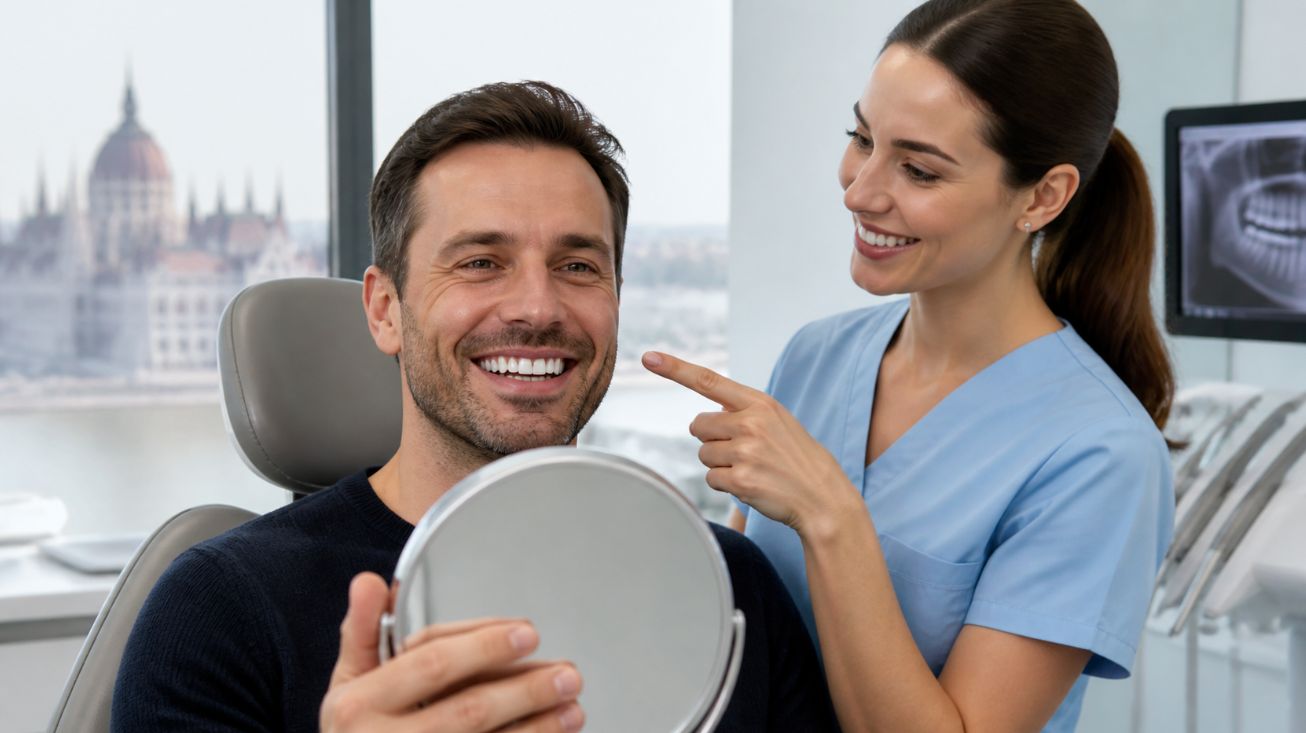
Cosmetic dentistry has become one of the main reasons UK patients look abroad for dental treatment. For many people, it is not just about fixing teeth; it is about confidence, appearance, and how comfortably they can smile in everyday life. When combined with dental tourism, cosmetic dentistry offers options that may feel out of reach at home – but it also brings specific questions about quality, longevity, and safety.
This review explores cosmetic dentistry within dental tourism from a UK patient’s perspective: what it includes, where people travel, why they choose it, and how to approach it safely and realistically.
What cosmetic dentistry means in dental tourism
Cosmetic dentistry focuses on improving the appearance of teeth and smile aesthetics rather than treating pain or acute disease. In a dental tourism context, these treatments are often bundled into short, intensive trips, with the cosmetic result as the main goal.
Common cosmetic procedures offered to international patients include:
-
Porcelain or zirconia veneers
-
Ceramic crowns on visible teeth
-
Teeth whitening
-
Composite bonding
-
Smile makeovers combining several treatments
-
Gum contouring for “gummy smiles”
For UK patients, cosmetic dental tourism usually means travelling to a country where private dentistry is more affordable, while still expecting natural-looking results and professional standards.
Why cosmetic dental tourism has grown so fast
There are several reasons why cosmetic dentistry is now at the centre of many dental tourism offers.
-
High UK prices for aesthetic work
Cosmetic treatments like veneers, full-arch crowns, or comprehensive smile makeovers can be very expensive privately in the UK. For patients who want a significant visual change, treatment abroad can reduce the overall bill dramatically. -
Limited cosmetic focus in NHS dentistry
NHS treatment is primarily functional, not cosmetic. Many aesthetic procedures – especially veneers and full smile design – are not available through the NHS at all. Patients who want cosmetic changes must therefore look to private options, either at home or abroad. -
Influence of social media and celebrity smiles
Constant exposure to “perfect” smiles online has increased demand for whiter, straighter, more uniform teeth. Clinics abroad market themselves directly to this audience, emphasising quick transformations and dramatic before-and-after images. -
Availability of package deals
Many clinics promote “smile makeover packages” including airport transfer, accommodation, and cosmetic procedures, making the process feel approachable and predictable for patients who may otherwise be intimidated by dentistry. -
Modern technology and planning tools
Digital smile design, 3D imaging, and chairside CAD/CAM systems make it easier to plan and deliver cosmetic treatments within short visits, which suits international patients with limited time.
Popular cosmetic treatments for dental tourists
Although each case is unique, several treatments appear again and again in cosmetic dental tourism.
Veneers
Veneers are thin shells placed on the front surface of teeth to improve shape, colour, and alignment appearance. In dental tourism:
-
They are often marketed as quick solutions to discolouration, chips, and minor misalignments
-
Treatment is usually completed over a few days, with teeth prepared, impressions taken, and veneers fitted within a single trip
-
Materials range from traditional porcelain to newer ceramics and sometimes composite veneers
The key issue for UK patients is understanding how much tooth reduction is required and what this means for long-term maintenance. Once enamel is removed, the tooth will always need some form of covering in the future.
Crowns on front teeth
In some clinics, crowns are used instead of veneers for cosmetic transformations, especially when teeth are heavily filled or structurally compromised. Cosmetic crown work abroad typically involves:
-
Preparing teeth by reducing their size
-
Covering them with ceramic or zirconia crowns
-
Often treating an entire “smile zone” of upper and lower teeth at once
Done well, this can combine functional and aesthetic benefits. Done poorly or overly aggressively, it can weaken teeth and create long-term maintenance challenges.
Teeth whitening
Whitening treatments are less invasive but still popular in dental tourism. Many patients choose:
-
In-clinic whitening sessions during a city break
-
Combining whitening with minor bonding or replacement of visible fillings
Whitening alone is rarely the main reason to travel, but it often forms part of a broader cosmetic plan.
Composite bonding
Some clinics specialise in direct composite bonding to reshape and brighten teeth without significant drilling. This can:
-
Offer a more conservative alternative to veneers
-
Be completed in one or two appointments within a short stay
-
Be easier to repair or modify later
However, composite is more prone to staining and wear than ceramics, so UK patients need to plan for maintenance.
Full smile makeovers
The most intensive cosmetic tourism cases involve full smile makeovers, often blending:
-
Veneers or crowns on most visible teeth
-
Whitening of adjacent teeth
-
Gum contouring
-
Bite adjustment
These are complex treatment plans with high visual impact and significant cost – even abroad. They require careful planning and realistic expectations about how long restorations will last and what maintenance will be needed over time.
Where UK patients travel for cosmetic dental tourism
Some destinations have become closely associated with cosmetic dentistry in particular, rather than purely functional or implant-driven work.
-
Central and Eastern Europe
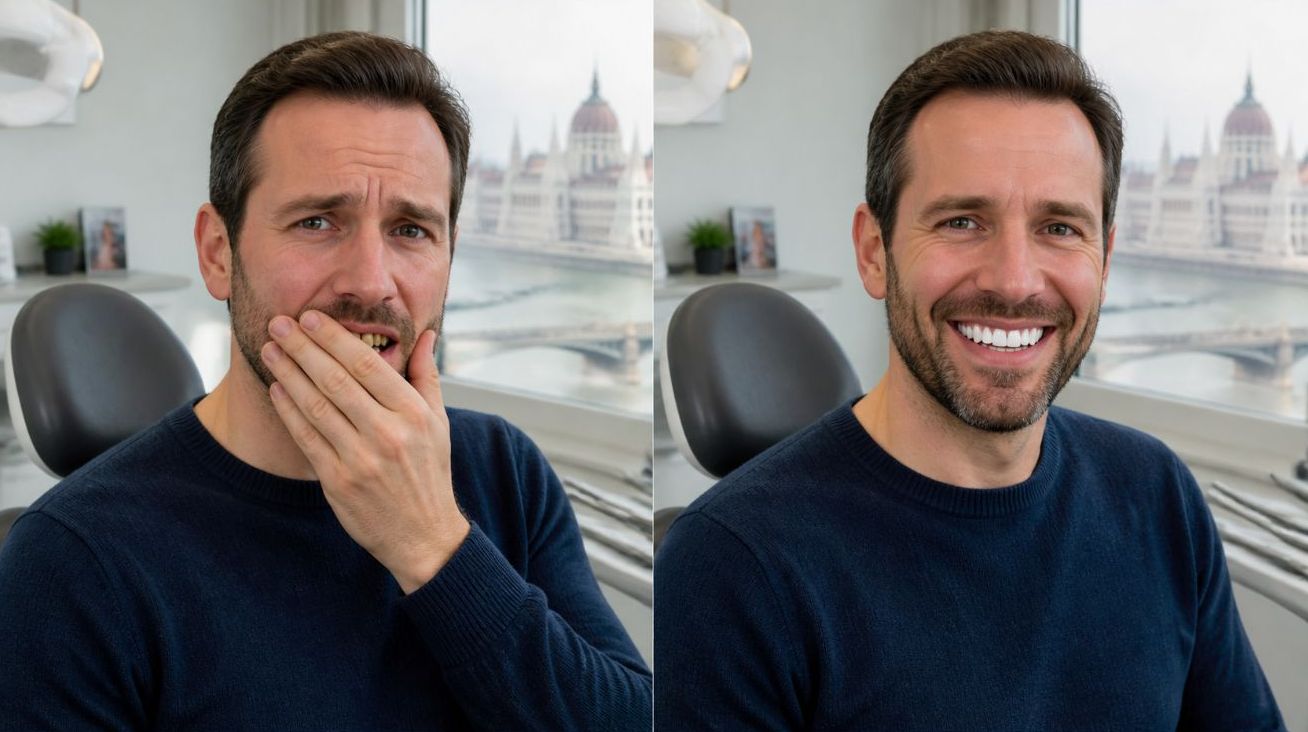
Countries such as Hungary and Poland have long-standing reputations for high-quality prosthetic and cosmetic work at lower prices than the UK or US. Budapest, in particular, positions itself as a European hub for smile makeover patients. -
Turkey
Turkey has experienced rapid growth in cosmetic dental tourism, driven by aggressive marketing, competitive pricing, and strong links with hair transplant and aesthetics clinics. Many UK patients travel for “Hollywood smiles”, veneers, and full arch cosmetic crown work. -
Spain and other Southern European destinations
Spain and certain Mediterranean countries attract patients who want a combination of holiday atmosphere and cosmetic dentistry, often focusing on veneers and whitening. -
Asia and Latin America (for long-haul travellers)
Thailand, parts of India, and destinations in Latin America sometimes attract UK patients combining longer trips with cosmetic work, though this is less common than regional European travel.
Benefits of cosmetic dental tourism when it goes well
When approached carefully, cosmetic dental tourism can deliver real advantages.
-
Access to comprehensive smile transformations
Some clinics abroad are structured specifically around comprehensive cosmetic cases. They may offer dedicated teams, in-house laboratories, and a high volume of aesthetic work, which can translate into efficient workflows and polished results. -
Lower overall cost for large cases
For patients needing extensive cosmetic work across many teeth, total costs abroad can be significantly lower than in the UK, even after including flights and accommodation. -
Integrated planning and execution
Because clinics know patients have limited time, they often coordinate all appointments, lab work, and reviews tightly. This can make the process feel more organised than juggling multiple visits at home. -
Improved self-confidence
For many patients, the appeal is emotional as much as practical. A successful cosmetic result – especially for those previously embarrassed by their teeth – can have a noticeable impact on confidence, social comfort, and professional presence. -
Combination with travel and rest
For some, combining cosmetic treatment with a short city break or wellness stay makes the experience feel less clinical and more positive overall.
Risks and pitfalls specific to cosmetic dental tourism
Cosmetic dentistry is elective and appearance-driven, but it still involves permanent changes to teeth and gums. Dental tourism adds another layer of complexity.
Over-treatment and aggressive dentistry
In some markets, there is a tendency to propose extensive crown or veneer work even when more conservative options might be possible. Warning signs include:
-
Suggesting crowns on many healthy teeth purely for visual alignment
-
Offering full-mouth “packages” without thorough discussion of alternatives
-
Minimising the long-term implications of heavy tooth preparation
Over-preparing teeth can shorten their lifespan, increase the risk of nerve damage, and create a lifetime dependency on prosthetic work.
Unrealistic expectations fuelled by marketing
Before-and-after photos and social media ads can give the impression that perfect Hollywood smiles are routine and risk-free. In reality:
-
Teeth and gums respond differently in each patient
-
There are limits to how much change is safe or advisable
-
Very bright, uniform smiles may not suit everyone’s face or age
If cosmetic changes are driven mainly by trends rather than personal suitability, disappointment can follow.
Limited time for adjustments and fine-tuning
Cosmetic work often needs fine adjustments for comfort, bite, and appearance. When everything is completed within a few days:
-
There may be less time to live with temporaries and adjust to a new bite
-
Patients can feel rushed when choosing shades and shapes
-
Final tweaks may be compressed into the last day before a flight home
Once back in the UK, adjustments to veneers or crowns done abroad may be more difficult and potentially expensive.
Challenges with repairs and maintenance
All cosmetic restorations – even well-made ones – require maintenance:
-
Veneers can chip or debond
-
Crowns can fracture or wear
-
Composite bonding can stain
If the original work was done abroad, repairs may require another trip or a UK dentist willing to work on someone else’s case. Some UK dentists are cautious about modifying work they did not place, especially if they disagree with the treatment approach.
How to assess a cosmetic dental tourism treatment plan
For UK patients considering a cosmetic trip, the treatment plan and consultation process are crucial.
Questions to ask about the plan
-
What are the main goals: colour, shape, alignment, or all three?
-
How many teeth will be treated, and why those specific ones?
-
Are veneers or crowns being recommended, and how much tooth reduction is needed?
-
What materials will be used, and what is their expected lifespan?
-
How will the clinic handle bite adjustment and minor refinements?
-
What happens if you dislike the initial shape or shade?
Transparent answers help you distinguish thoughtful plans from purely package-driven offerings.
Evaluating the clinic’s cosmetic focus
Look for signs that the clinic takes aesthetics seriously as a clinical discipline:
-
Use of digital smile design tools and mock-ups
-
Attention to facial proportions, lip line, and gum levels
-
Collaboration with experienced dental technicians
-
Willingness to discuss more than one aesthetic style (not just very white, uniform teeth)
A clinic that asks about your personal preferences, photos of “smiles you like”, and your lifestyle is more likely to aim for a tailored result.
Managing expectations: what cosmetic dental tourism can and cannot do
Even the best cosmetic clinics cannot promise perfection. It helps to frame expectations realistically.
Cosmetic dental tourism can:
-
Make discoloured, uneven, or worn teeth look significantly better
-
Restore symmetry and harmony to a smile
-
Close gaps, reshape teeth, and improve overall brightness
-
Provide long-lasting restorations when properly maintained
Cosmetic dental tourism cannot:
-
Stop natural wear, ageing, or changes in gums entirely
-
Guarantee that no future repairs or replacements will be needed
-
Unlimitedly override biological limitations, such as weak bone or poor gum health
-
Completely eliminate the need for ongoing dental check-ups at home
Understanding these boundaries reduces the risk of disappointment and helps you see treatment as an investment that still needs care.
Choosing between conservative and aggressive cosmetic options
A central decision in cosmetic tourism is how far to go. Options range from very conservative to highly invasive.
-
Conservative
Whitening, minor bonding, and limited veneers on badly discoloured or damaged teeth. These approaches preserve more enamel and often have simpler future maintenance. -
Moderate
Veneers or partial crowns on multiple visible teeth with careful preparation and attention to bite. This suits patients with moderate wear and existing restorations. -
Aggressive
Full-arch crowns on many or all teeth, sometimes with extensive tooth reduction. This can provide dramatic visual change but commits you to long-term prosthetic maintenance.
A good cosmetic dental tourism clinic will explain these levels openly and help you choose based on your age, existing dental health, budget, and tolerance for future dental work.
Long-term maintenance after cosmetic dental tourism
Once treatment is complete and you are back in the UK, the long-term success of your cosmetic work depends heavily on daily habits and regular care.
Key factors include:
-
Consistent oral hygiene
Even the best veneers or crowns can fail if plaque and gum disease are not controlled. -
Regular check-ups
UK dental visits allow early detection of issues with margins, cracks, or bite changes. -
Night guards when needed
If you grind or clench, protective night guards may be essential to protect new restorations. -
Lifestyle choices
Diet, smoking, and staining drinks affect both natural teeth and some restorative materials.
Before committing to treatment abroad, it is sensible to consult a UK dentist who is willing to help you maintain the work. This gives you a realistic support system once the trip is over.
When cosmetic dental tourism makes sense – and when it might not
Cosmetic dental tourism can be a good fit when:
-
You need substantial aesthetic improvement that would be very expensive in the UK
-
Your general dental health is stable and well-managed
-
You are comfortable travelling and organising follow-up care
-
You have realistic expectations about results and maintenance
It may be less suitable when:
-
You have complex medical conditions requiring close supervision
-
You have severe dental anxiety and need long-term relationship-based care
-
You are drawn mainly by extreme marketing promises or “trend” smiles
-
You cannot realistically afford potential future repairs or additional visits
The key is not whether cosmetic treatment is done at home or abroad, but whether the plan, the clinic, and your expectations align with long-term oral health and personal goals.

Bringing it all together for UK patients
Cosmetic dentistry in dental tourism sits at the intersection of aesthetics, travel, finance, and health. For UK & US patients, it can be a powerful way to achieve a smile that feels more like “you” – but only if approached with careful research, clear questions, and an honest look at your own priorities.
The most successful cases tend to share common features:
-
A detailed, personalised treatment plan
-
Transparent explanations about materials, timelines, and risks
-
Clinics that respect tooth structure and long-term function
-
Patients who stay engaged with maintenance once they return home
If you are writing or planning content for UK readers, emphasising these elements can help potential patients make better decisions – and avoid turning a dream smile into a long-term problem.