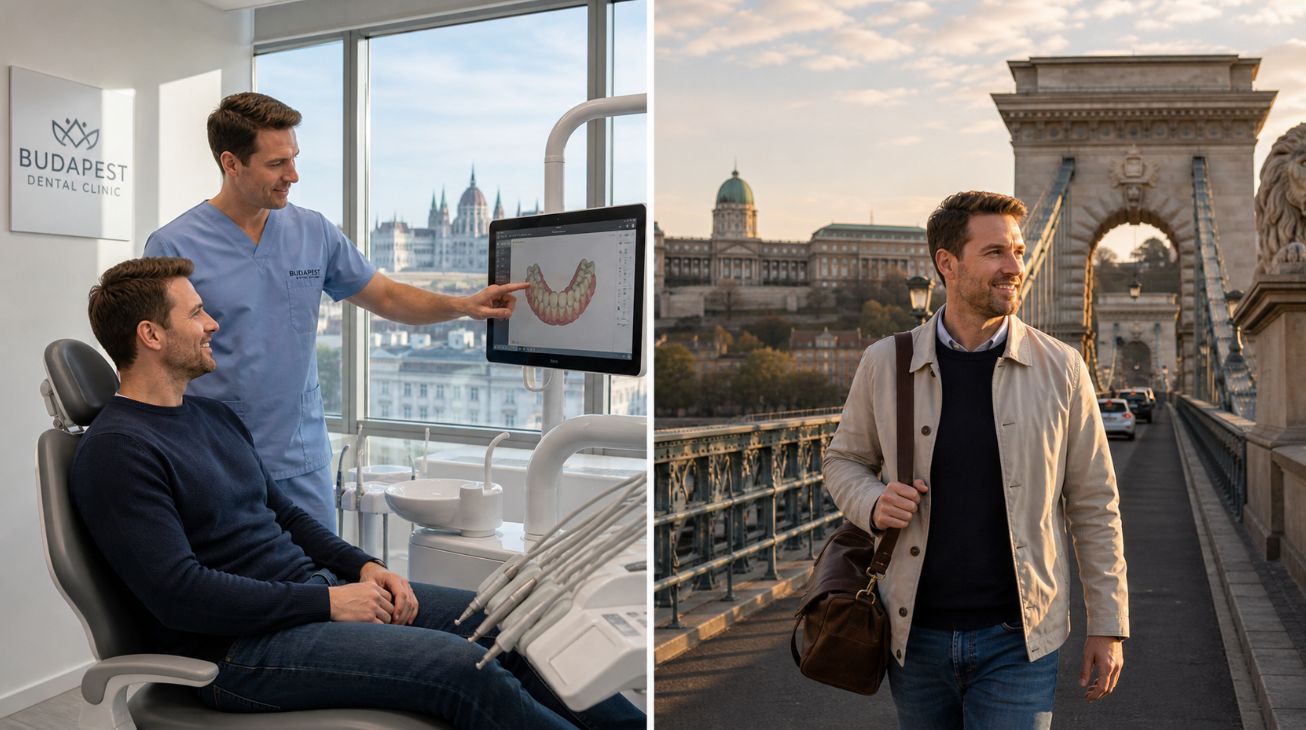
What dental tourism really is today
Dental tourism means travelling to another country for dental treatment, often combining appointments with a short city break or longer holiday. Patients usually seek treatments like implants, crowns, veneers, full-mouth restorations, and complex cosmetic work that would cost significantly more at home.
Modern dental tourism is supported by dedicated clinics, brokers, and travel agencies that package treatment plans with flights, hotel stays, and local transfers, making the process feel similar to booking any other holiday.
How dental tourism started: the early days
The roots of dental tourism go back several decades, when cross-border care mostly involved patients travelling from poorer to richer countries for advanced treatment unavailable at home. Over time, the direction reversed: patients from high-cost countries began travelling to destinations where trained dentists offered comparable care at lower prices, often thanks to lower labour and operating costs.
In Europe, Central and Eastern European countries like Hungary, Poland, and later Romania emerged early as hotspots, attracting mainly German, Austrian, and Scandinavian patients for affordable restorative and prosthetic dentistry. This trend gradually expanded to include British and Irish patients as low-cost airlines and budget travel made Budapest, Krakow, and other cities easily accessible.
The rise of Budapest and other European hubs
Budapest is widely regarded as the dental capital of Europe, with a dense cluster of clinics focused on international patients, including a significant volume from the UK and Ireland. The city built its reputation on high-quality implantology, prosthetics, and cosmetic dentistry at prices that significantly undercut Western European private clinics.
Alongside Hungary, Poland and Spain also grew into strong dental tourism destinations, particularly for UK patients looking for both cost savings and familiar travel infrastructure. Cities like Krakow, Warsaw, Madrid, and Barcelona offer a mix of modern dental clinics and attractive tourism experiences, from historic city centres to beach holidays.
Why dental tourism took off: the main drivers
Several factors explain why dental tourism moved from fringe to mainstream for patients in the UK and other high-cost countries:
-
Cost savings: In many cases, complex treatments such as implants, bridges, full-arch restorations, and smile makeovers can be 50–70% cheaper abroad compared to prices in the UK, US, or Canada. Even after flights and accommodation, large cases often represent savings in the thousands of pounds.
-
No or minimal waiting lists: While NHS access has become increasingly difficult and private practices can have long waiting times for major procedures, many dental tourism clinics can schedule assessments and treatment within days or weeks.
-
Perceived high quality: Many clinics abroad invest heavily in modern technology – such as digital scanners, CAD/CAM systems, and 3D imaging – and highlight dentists trained at international universities or with memberships in global implantology and cosmetic dentistry organisations.
-
Travel appeal: Dental trips often double as mini-breaks, allowing patients to explore historic cities, spas, or beaches between appointments, which makes the process feel more like a holiday than purely medical travel.
For UK patients, the combination of rising costs at home, long NHS queues, and budget flights to cities like Budapest, Krakow, or Istanbul has made dental tourism increasingly attractive.
Global hotspots: where dental tourists go
Europe
-
Hungary (Budapest): Known as a European leader in dental implants, full-mouth restorations, and cosmetic work, with many clinics tailored to foreign patients.
-
Poland: Strong in restorative work, implants, and cosmetic dentistry, with popular destinations such as Krakow and Warsaw offering competitive prices and easy access from the UK.
-
Spain: Combines dental care with sunny holidays, particularly in coastal areas and major cities, attracting both European and British patients for cosmetic treatments and general dentistry.
North America and Latin America
-
Mexico: Border towns like Los Algodones (“Molar City”) and cities such as Tijuana and Cancun are major hubs for US and Canadian patients, offering low-cost implants, crowns, and dentures.
-
Costa Rica: Known for high-standard clinics and a strong medical tourism industry, serving North Americans seeking major restorative and cosmetic work in a tropical setting.
Asia
-
Thailand: Bangkok and Phuket are leading destinations, pairing modern, internationally oriented clinics with beach and city tourism.
-
India: Offers extensive dental and medical services with a large base of English-speaking dentists and a strong focus on affordability.
Across these regions, the common pattern is clear: modern infrastructure, lower labour costs, and a tourism-friendly environment geared to international patients.
The present reality: what UK patients experience
For a typical UK patient, a dental tourism journey usually begins online. Most clinics and intermediaries now offer:
-
Free or low-cost online consultations using photos, X-rays, or video calls
-
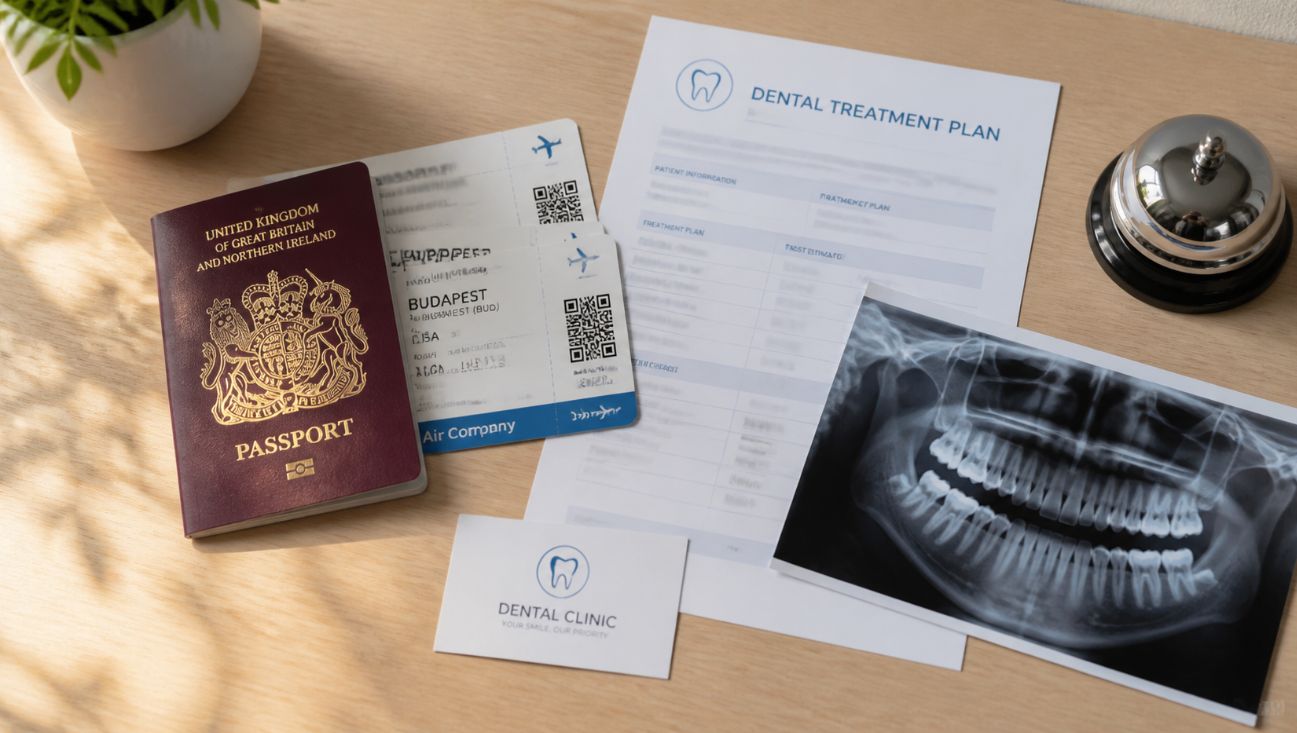
Detailed treatment plans summarising costs, materials, timelines, and visit requirements
-
Package deals including transfers, accommodation, and dedicated patient coordinators
Once on location, patients often undergo an initial clinical examination, confirm or adjust the treatment plan, and then complete the main procedures within a compressed time frame, often between 3 and 10 days. For implants or extensive reconstructions, multiple trips may be required to allow for healing and integration.
Clinics focus not only on dentistry but also on service: airport pickup, English-speaking staff, extended clinic hours, and modern waiting rooms all contribute to a polished, international patient experience. Many practices build reputations through online reviews, before-and-after photos, and patient testimonials, which are heavily used by UK patients conducting research.
Why people choose dental tourism: motivations and benefits
1. Cost savings
The primary driver remains price. On average, patients can save around 50–70% on major restorative or cosmetic treatments compared with private UK fees. For example, full-arch implants, extensive crown and bridgework, or a full veneer smile makeover can cost tens of thousands of pounds domestically but significantly less when performed in Hungary, Turkey, or Poland.
This price difference is primarily due to lower operating and labour costs, not necessarily a lower standard of care. Many clinics still use high-quality materials and labs – often the same brands used in the UK – while leveraging local cost advantages.
2. Faster access and no waiting lists
In a context where NHS dental access is limited and private appointments can be booked months in advance, the ability to start treatment within weeks abroad is highly appealing. Dental tourism clinics compete for international patients and therefore maintain flexible scheduling, extended hours, and short waiting times.
For patients in pain, or those wanting a new smile for a specific date such as a wedding or major event, this speed can be decisive.
3. High-quality care and modern technology
Many clinics aiming at international markets invest heavily in equipment such as 3D cone beam CT scanners, intraoral digital scanners, computer-guided implant systems, CAD/CAM milling machines, and high-end sterilisation facilities. They also highlight their dentists’ training at well-known universities, professional memberships, and continuing education in implantology and cosmetic dentistry.
This combination of modern technology and specialist skills reassures patients that they are not trading quality for price. For complex full-mouth rehabilitation and implant cases, some clinics abroad even build dedicated teams around international patients.
4. Travel and lifestyle factors
Dental tourism is not just about teeth; it is also about experience. Patients can enjoy thermal baths in Budapest, seaside breaks in Spain, or cultural attractions in Thailand between appointments. Carefully planned schedules often include rest days for healing and sightseeing, blending treatment with leisure.
This psychological shift – from “scary dental procedure” to “combined treatment and holiday” – helps many patients feel more positive about undergoing major dentistry.
Key risks: what can go wrong
Despite its benefits, dental tourism carries real risks that UK patients need to understand.
1. Fewer legal protections and complex complaints
Regulation and legal recourse vary widely from country to country. In the UK, patients have access to defined complaints procedures, regulatory bodies, and legal frameworks if something goes wrong with treatment. Abroad, the processes may be less clear, slower, or more difficult to navigate from a distance.
Cross-border litigation can be complicated, time-consuming, and expensive. In some countries, compensation levels for malpractice may be far lower than what UK patients expect.
2. Limited follow-up and aftercare
A major challenge is continuity of care. If a crown cracks, an implant fails, or complications arise once the patient is back in the UK, arranging follow-up with the original clinic may require another trip, additional time off work, and extra travel costs.
Many UK dentists are reluctant to take over complex cases performed abroad, especially if they disagree with the treatment plan or materials used. Even when they agree, they may refuse responsibility for existing work, limiting their intervention to emergency or maintenance care only.
3. Hidden and underestimated costs
While headline savings can be impressive, patients sometimes overlook the full cost of travel, accommodation, food, local transport, extra scans, or unforeseen additional treatment. If complications occur and repeat visits are required, overall costs can narrow the gap between treatment abroad and private UK treatment.
Exchange rate changes, peak-season flight prices, and last-minute travel adjustments can further erode expected savings.
4. Treatment intensity and time pressure
Many dental tourism plans condense multiple complex procedures into a short time frame, which can be physically demanding and, in some cases, clinically suboptimal. For example, performing extensive extractions, immediate implants, and provisional restorations in a few days may increase stress on the body and potentially raise complication risks if not carefully managed.
Time pressure may also affect case planning and patient consent; decisions sometimes feel rushed when large treatment plans are agreed at the beginning of a brief stay.
How to minimise risks: a practical approach
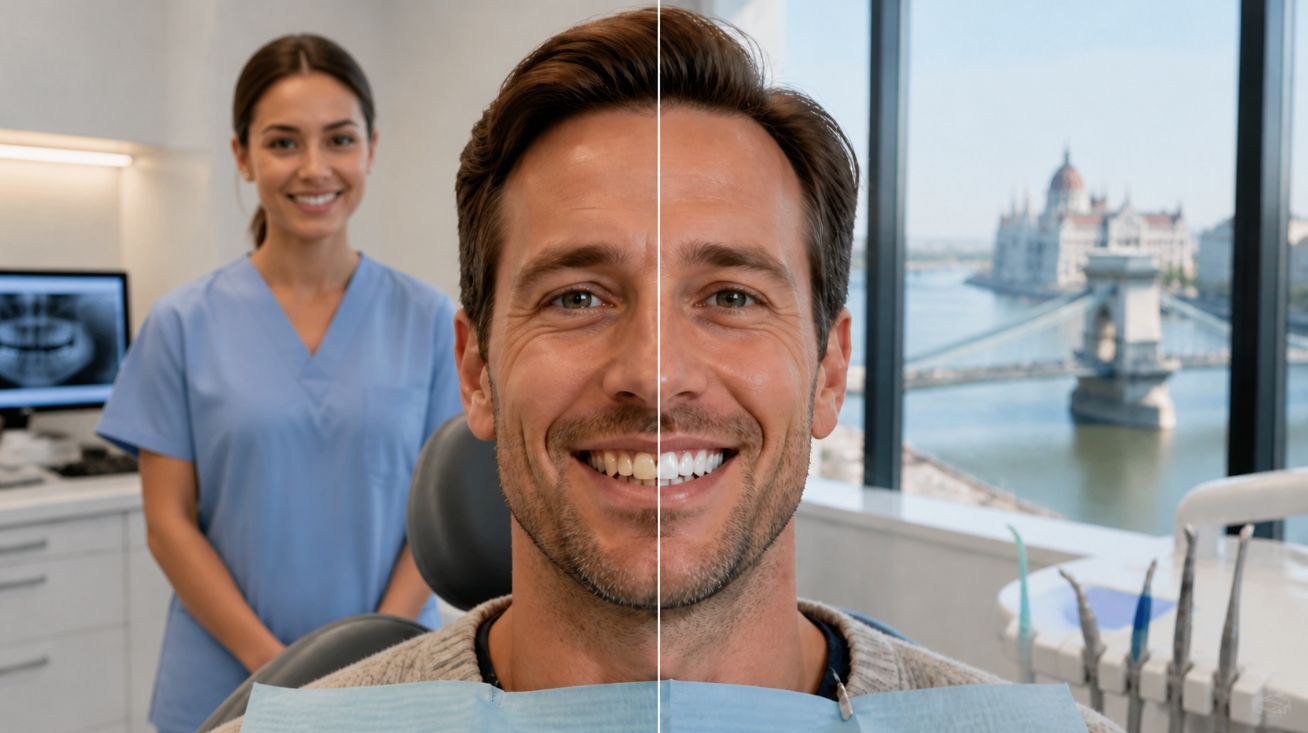
Despite these challenges, many patients enjoy successful outcomes when they choose clinics carefully and plan thoughtfully. Several strategies can reduce risk.
1. Verify credentials and clinic reputation
Checking a clinic’s credentials is essential. Patients should review:
-
Dentist qualifications, including universities attended, specialisations, and years of experience
-
Memberships in recognised organisations such as the International Congress of Oral Implantologists (ICOI) or similar bodies
-
Clinic registration with local health authorities and professional chambers
Independent reviews, patient testimonials, and before-and-after portfolios can offer additional reassurance, but should be considered alongside verified professional information rather than in isolation.
2. Demand a detailed written treatment plan and quote
Patients should request a comprehensive, written breakdown of the proposed treatment, including:
-
Type and number of procedures (e.g., implants, crowns, bone grafts)
-
Brand and type of materials (implant systems, crown materials, veneer types)
-
Laboratory fees, anaesthesia, diagnostic imaging, and other associated costs
Clear, itemised quotes help prevent surprises and enable more accurate comparisons with UK-based treatment options. They also provide a reference point if significant changes or additional charges arise once on-site.
3. Plan for long-term maintenance and material compatibility
Long-term success depends on maintenance and the availability of compatible parts and materials in the UK. Patients should ask:
-
Which implant system or prosthetic materials are being used
-
Whether these brands are widely available and recognised internationally
-
What the expected lifespan of crowns, veneers, or prostheses is under normal conditions
Using globally known brands makes it easier for UK dentists to service or repair work in future. Patients should also clarify written guarantees and what is covered if issues arise later.
4. Purchase appropriate medical travel insurance
Standard travel insurance often excludes complications related to elective medical or dental treatments. Patients should look for specialist medical travel policies that explicitly cover dental procedures and potential complications, including hospitalisation, extended stays, or return visits.
Insurance cannot eliminate clinical risks, but it can protect patients from some of the financial impact if complications arise.
The future of dental tourism: trends to watch
The dental tourism industry continues to grow, driven by demographic, economic, and technological trends. Several developments are likely to shape its future for UK patients.
1. Continued global growth and diversification
Market analyses indicate ongoing growth in dental tourism, driven by ageing populations, rising aesthetic expectations, and persistent cost differentials between countries. New destinations are also emerging as governments and private investors invest in medical tourism infrastructure and marketing.
This competition may benefit patients through better services, more transparent pricing, and stronger patient protections as destinations strive to differentiate themselves.
2. Digital dentistry and remote planning
Technological advances are reshaping dental tourism. Digital impressions, 3D planning software, and AI-assisted diagnostics enable more accurate virtual treatment planning before patients travel.
In the future, UK patients may receive full digital workups at home – including scans and treatment simulations – which foreign clinics can use to plan precise, time-efficient interventions with fewer surprises on arrival. This could reduce risks, shorten stays, and improve outcomes.
3. Hybrid care models and cross-border partnerships
As cross-border care becomes more common, there is potential for closer collaboration between UK dentists and clinics abroad. Some models may involve:
-
Initial assessments, hygiene, and follow-up performed in the UK
-
Surgical and prosthetic phases carried out in specialised clinics abroad
-
Shared digital records and treatment plans across the care pathway
Such hybrid models could deliver cost savings while maintaining continuity of care, though they require trust, clear communication, and aligned standards between providers.
4. Stronger regulation and patient protection frameworks
Regulators and professional bodies are increasingly aware of the scale of dental tourism and its implications for patient safety. Over time, more standardised guidelines, accreditation systems, and cross-border complaint mechanisms may emerge to protect patients and support reputable clinics.
This formalisation could help patients distinguish between high-quality, well-regulated providers and lower-standard operations that rely on aggressive marketing rather than clinical excellence.
5. Sustainability, ethics, and patient education
Future discussions about dental tourism are likely to include ethical and environmental dimensions, including:
-
The environmental impact of frequent air travel
-
The ethics of intensive “quick fix” cosmetic procedures versus conservative dentistry
-
The importance of informed consent, realistic expectations, and long-term maintenance
As patient awareness grows, providers who focus on comprehensive education, realistic planning, and ethically sound treatment strategies may be better positioned to earn trust and long-term reputations.
Is dental tourism right for you as a UK patient?
Dental tourism can deliver excellent outcomes and substantial savings, but it is not a one-size-fits-all solution. Patients who tend to benefit most are:
-
Those needing extensive restorative or cosmetic work that would be prohibitively expensive in the UK
-
Individuals comfortable with travel, cross-cultural communication, and managing logistics
-
Patients willing to invest time in research, clinic verification, and long-term planning
On the other hand, patients with complex medical histories, severe dental anxiety, or a strong preference for ongoing face-to-face follow-up might find local care – even at a higher cost – more appropriate. The key is to weigh financial, medical, and personal factors together, rather than focusing on price alone.
For many UK patients, especially those facing high private quotes or limited NHS access, a well-researched dental trip to destinations such as Hungary, Poland, or Spain can be a practical and rewarding option. With careful clinic selection, clear treatment plans, and proper insurance, dental tourism can offer a modern pathway to restoring both oral health and confidence in your smile.