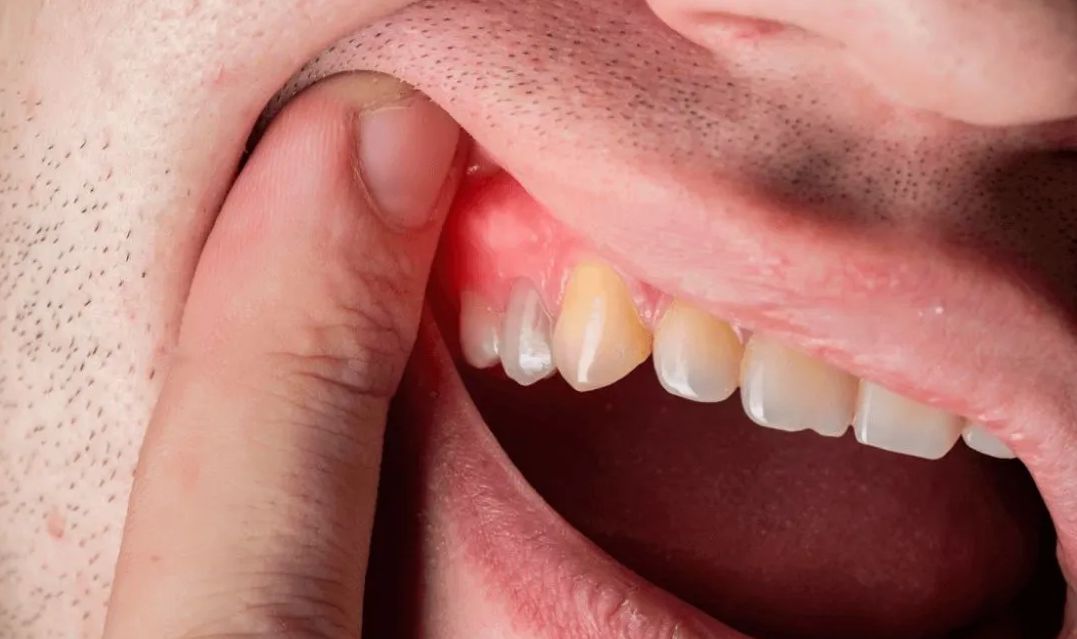
Sensitive teeth – often described as a sudden, sharp pain when drinking cold or hot beverages, eating sweets, or even breathing cold air – impact the daily comfort and confidence of millions worldwide. As more patients turn to dental tourism for accessible, expert care, understanding the causes, state-of-the-art treatments, and preventive strategies for sensitive teeth has never been more important. This guide delivers a thorough review making sense of what works, why, and how patients can benefit, whether at home or abroad.
Understanding Tooth Sensitivity
Tooth sensitivity (dentin hypersensitivity) occurs when the protective enamel or gum tissue is compromised, exposing the underlying dentin. This dentin contains microscopic tubules that connect directly to the tooth’s nerve, so hot, cold, or acidic stimuli reach the nerve and trigger discomfort or pain.
Common triggers include:
-
Iced drinks, hot tea or coffee
-
Sweet or acidic foods and beverages
-
Cold air, deep breathing, tooth brushing
Causes of Sensitive Teeth
Sensitive teeth have several root causes, including:
-
Enamel Erosion: Overzealous brushing, acidic foods/drinks, teeth grinding, or natural aging.
-
Gum Recession: Gum disease (gingivitis, periodontitis) leads to exposed tooth roots.
-
Tooth Decay: Cavities, cracked teeth, or failing dental work allow sensations to bypass enamel.
-
Recent Dental Treatments: Whitening, fillings, or orthodontic adjustment can temporarily increase sensitivity.
Lifestyle factors (diet, oral hygiene habits, tobacco, and alcohol use) also play an important role in developing or aggravating tooth sensitivity.
How Dental Tourism Addresses Tooth Sensitivity
Patients often explore dental tourism when at-home solutions disappoint or costs become prohibitive. Clinics in Hungary, Albania, Turkey, and other dental tourism destinations offer not only cost savings but access to the very latest, globally accredited techniques in diagnosis and treatment.
Major advantages:
-
Comprehensive oral health reviews by expert dentists
-
Full root-cause analysis and tailored recommendations
-
Advanced technology (digital scans, laser treatments, micro-dentistry)
-
High-quality materials (modern bonding, reinforced fillings, fluoride systems)
-
Multilingual staff, clear communication, and smooth patient journeys
Professional Treatment Options for Sensitive Teeth
1. Desensitizing Toothpaste and Gels
-
Most dentists first recommend daily use of toothpaste containing potassium nitrate or stannous fluoride. These ingredients block pain signals and strengthen the enamel.
-
Over-the-counter options provide good relief within a few weeks for mild symptoms.
2. In-Office Fluoride Treatments
-
Dentists may apply high-concentration fluoride varnish, gel, or rinse directly to sensitive areas. This strengthens enamel and acts as a protective barrier.
3. Dental Bonding or Sealants
-
For areas of exposed dentin/root, a tooth-colored resin can be painlessly painted on to cover sensitive nerves. This works especially well when recession or abrasion is the problem.
4. Gum Grafting Surgery
-
If gum loss exposes tooth roots, a periodontist can graft tissue from elsewhere in your mouth to cover and protect these vulnerable areas—effective but reserved for severe cases.
5. Restorative Solutions
-
For sensitivity due to decay or a broken filling, a simple restoration (composite filling, onlay, or crown) can rapidly solve the underlying problem and block further pain.
6. Root Canal Therapy
-
If all else fails and pain is persistent or severe, a root canal may be necessary to remove the affected nerve. This is the definitive solution for irreversible dental nerve pain.
Treatment is always tailored: The best option depends on the cause, the patient’s oral health, and the dentist’s findings.
Prevention: How to Avoid Tooth Sensitivity
Long-term comfort comes from prevention. Dental tourism patients are often provided a customized care plan, but everyone should:
-
Brush with a soft-bristled brush using gentle, circular motions (avoiding “scrubbing”)
-
Use a toothpaste for sensitive teeth
-
Floss daily to remove plaque and prevent gum disease
-
Limit acidic foods/drinks and avoid brushing immediately after consuming them
-
Wear a mouthguard if there’s any risk of teeth grinding
-
Visit the dentist regularly for early detection, professional cleaning, and guidance.
Myths and Facts about Sensitive Teeth
| Statement | Fact or Myth | Explanation |
|---|---|---|
| Whitening always causes sensitivity | Myth | Most sensitivity is mild and temporary; not all patients experience it, and dentists use safer formulas. |
| Sensitivity means a cavity | Myth | Many causes exist, including recession or trauma without decay. |
| Brushing harder helps | Myth | It wears enamel, making sensitivity worse. |
| Only adults have sensitive teeth | Myth | Teens and even children can experience symptoms. |
Dental Tourism: Patient Tips and Advantages
-
Personalized diagnostics: Dental tourism clinics provide advanced imaging and full assessments, ensuring the root cause is properly treated.
-
State-of-the-art therapies: From laser remineralization to micro-bonding, international clinics deploy the most up-to-date technology.
-
Affordable excellence: Complete care for a fraction of UK/US prices, without quality compromise.
-
Integrated care: Sensitivity is often addressed as part of a broader smile makeover or implant journey—saving time and resources.
Patient Experience: What to Expect
-
Comprehensive check-up and clear explanation of findings
-
Evidence-based, minimally-invasive recommendations
-
Ability to combine sensitivity treatment with scaling, whitening, or restorative visits
-
Follow-up care either locally or with digital consultation
Multilingual teams ensure clear communication and ongoing advice for lasting oral health.
Best Practices and Post-Treatment Tips
-
Continue daily care using recommended products and techniques.
-
Avoid triggers (extremes of temperature, sugary snacks) after intensive therapy.
-
Report persistent or severe discomfort promptly for further assessment.
-
Schedule regular follow-ups, whether at home or during future dental tourism trips.
Conclusion: Sensitive Teeth Treatment—A Foundation for Long-Term Oral Health and Successful Dental Tourism
Treating sensitive teeth is about more than managing daily discomfort—it’s foundational for eating, speaking, and smiling with confidence. Dental tourism destinations deliver outstanding results, blending advanced science, compassionate expertise, and substantial financial savings. Every treatment is customized, empowering you to take charge of your dental well-being.
Whether your needs are simple (like switching toothpaste), moderate (dental sealant or bonding), or complex (periodontal surgery or restoration), today’s dental tourism clinics have the skill, technology, and patient-first approach to help you thrive.