How to Repair a Chipped Tooth: Modern Methods, Implant Compatibility, and 2025 Innovations
Introduction: Why Tooth Repair Matters
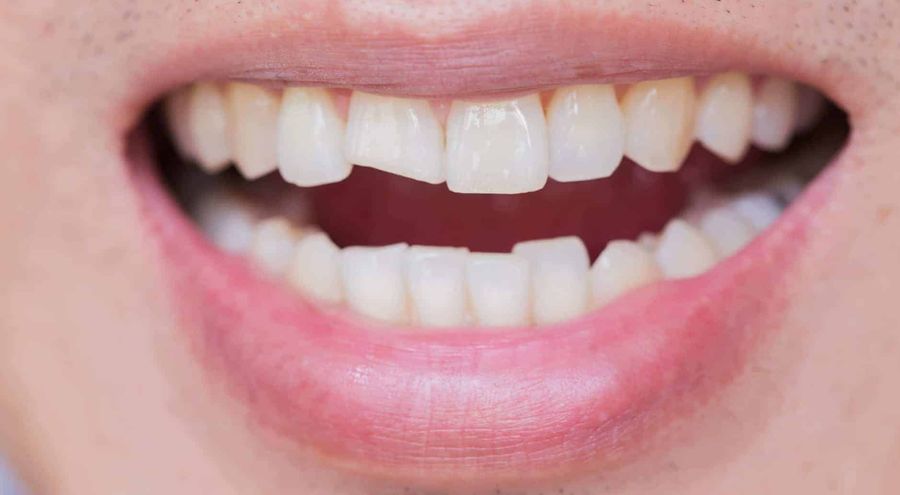
Chipped teeth are among the most common dental emergencies, affecting people of all ages. Whether the chip is small or severe, prompt and expert repair can preserve beauty, bite function, and long-term oral health. For patients with dental implants or complex restorations, immediate attention is critical—not only to restore appearance, but also to prevent further damage to adjacent restorations.
Recent advances in materials and digital dentistry mean chipped teeth can be repaired faster, more safely, and with greater aesthetic success than ever before.
Common Causes of Chipped Teeth
-
Sports injuries or falls
-
Biting down on hard objects (ice, pens, bone, popcorn kernels)
-
Untreated cavities weakening tooth structure
-
Bruxism (teeth grinding)
-
Physical trauma, accidents, or collisions
-
Pre-existing dental restorations losing integrity
Understanding the underlying cause is key to preventing future chips and determining the best repair strategy.
First Steps: What to Do When a Tooth Chips
-
Rinse your mouth with warm water to clear debris.
-
Recover any fragments (if possible), store them in milk or saline, and bring them to your dentist.
-
Avoid chewing with the injured area.
-
Place wax or sugarless gum over sharp edges to avoid tongue or cheek injury until professional care is available.
-
Call your dentist immediately—early intervention reduces pain, infection risk, and complicated repairs.
For implant patients: Notify your dentist if an implant-supported crown, bridge, or veneer chips. Delayed care can compromise the underlying implant or adjacent teeth.
Diagnosing and Planning Tooth Repair
Dentists use clinical examination, digital x-rays, and (in advanced clinics) 3D imaging to:
-
Assess chip extent, depth, and proximity to nerves
-
Determine if the fracture impacts the enamel, dentin, or pulp (nerve chamber)
-
Evaluate the stability of existing implants or restorations
-
Plan the safest, most aesthetic repair—considering both natural tooth and implant compatibility.
Treatment Options for Chipped Teeth (Natural and Restorative)
1. Dental Bonding (Composite Fillings)
-
Most common repair for small/midsize chips in the front teeth
-
Tooth-colored composite resin matched to natural enamel, sculpted, cured with LED light
-
Painless, immediate results; lasts 5–10 years with good care
Implant patients: Composite bonding can be used for minor chips in adjacent teeth or to modify the appearance of implant crowns where feasible.
2. Porcelain or Ceramic Veneers
-
Thin, custom-made shells cemented to the front of the tooth
-
Ideal for larger chips, extensive discoloration, or aesthetic improvement
-
Strong, natural-looking, and stain-resistant
Implant patients: Veneers can also be placed on implant-supported crowns, but new fabrication may be needed for severe damage.
3. Dental Crowns
-
Recommended for major chips, cracks, or weakened teeth
-
Encases the entire tooth with durable material (ceramic, zirconia, porcelain-fused-to-metal)
-
Restores function, shape, and color
Implant patients: Implant crowns follow the same principles but require professional matching to existing abutments. Rapid digital scanning and milling allow for same-day crown repair in advanced clinics.
4. Root Canal and Crown
-
Necessary if the chip exposes or damages the pulp (nerve chamber)
-
Removes infected tissue, fills root with bio-compatible material, and crowns the tooth for protection
-
High success rate; preventive of pain and abscess
Implant patients: Root canal is never performed on an implant, but adjacent teeth may require this protocol if trauma is extensive.
5. Gingival Repair and Surgery
-
Chips below the gumline may need flap surgery to access, strengthen root structure, or enable proper restoration fit
-
Gum considerations critical for implants—healthy tissue ensures long-term stability
6. Dental Implants
For teeth with unrepairable breaks or severe infection, extraction and implant placement may be recommended.
-
State-of-the-art implants use titanium, zirconia, or hybrid materials
-
Same-day “teeth in a day” protocols enable rapid restoration for damaged teeth and adjacent soft tissue.
Advances in 2025: Faster, Stronger, More Aesthetic Repair
3D Printing and CAD/CAM Technology
-
Custom crowns, veneers, and bridges are digitally scanned and manufactured in-office for a perfect fit—reduces wait times and increases aesthetics.
-
Ideal for emergency cases and precise alignment with implant abutments.
Smart and Regenerative Materials
-
Biocompatible materials integrating nano-coatings for durability and bacteria resistance
-
Some innovations include self-healing surfaces, adding longevity and resistance to future chips.
Stem Cell and Tissue Engineering
While not yet mainstream, promising research into lab-grown teeth and regenerative solutions may soon allow natural tooth restoration from patients’ own cells, with perfect shape and integration.
Repairing Chips in Dental Implants and Restorations
-
Implant crowns can chip like natural teeth. Some may be polished or bonded, but severe fractures require full replacement.
-
Matching color and transparency is vital—digital shade matching and multi-layer ceramics offer seamless results.
-
Implant abutment integrity must be assessed during repair—loose or damaged abutments compromise the underlying implant.
-
Maintenance: After repair, patients should avoid trauma, use nightguards if grinding, and maintain strict hygiene.
Implant Patients: What to Watch For
-
Chips, cracks, or wear in implant-supported crowns need rapid evaluation.
-
Overloading or untreated bite misalignment may damage both implants and surrounding teeth.
-
Soft tissue damage from sharp restorations can compromise gums and bone—seek adjustment as needed.
-
Annual professional checks pinpoint and correct minor chips before they worsen.
At-Home Tips to Prevent Chips
-
Use mouthguards for contact sports or grinding
-
Avoid chewing hard objects
-
Maintain routine dental hygiene and ensure regular professional checks
-
Choose balanced diets—limit acids and sugars that weaken enamel
Emergency Protocol: Severe Chipping, Pain, or Bleeding
-
Keep the mouth clean and apply ice externally for swelling
-
Avoid hot/cold foods until pain resolves
-
If tooth or implant moves, do not bite or self-adjust—see a dentist ASAP
-
Start prescribed pain relief and antibiotics if recommended by your provider
FAQs: Repairing Chipped Teeth
How quickly should a chipped tooth be repaired?
Within days—earlier minimizes risk of further breaking or infection.
Can a chip on a crown or implant be fixed?
Minor chips may be polished or filled; large breaks require replacement.
Are repairs permanent?
Most restorations last 5–15 years; with modern materials, may last decades.
Will insurance cover my tooth repair?
Coverage depends on national and private plans—ask your dentist’s office for help.
Is there any way to naturally reverse a chip?
No—chips require professional restoration for proper aesthetics and function.
Long-Term Maintenance After Repair
-
Brush with non-abrasive toothpaste and a soft brush
-
Regularly floss—especially around crowns and implants
-
Avoid hard, crunchy, or sticky foods where possible
-
Attend all follow-ups for assessment and maintenance
Innovations to Watch: Lab-Grown Teeth
The coming years may see lab-grown biological teeth, offering permanent repair, natural appearance, and full tissue compatibility. Until then, dental implants, crowns, and veneers remain the gold standards for functional and aesthetic restoration.
Conclusion: Fast, Safe, and Lasting Tooth Repair
Chipped teeth are stressful but solvable. Modern dental clinics—including those in Budapest—offer immediate, advanced solutions tailored for both natural teeth and implant patients. Whether through bonding, crowns, veneers, or custom implant-compatible repair, patients enjoy durable, beautiful results with minimal discomfort.
Stay proactive—protect teeth from trauma, invest in cutting-edge dental care, and schedule regular professional checks. Your confidence, oral health, and smile will be stronger for years to come.